Hotel, Heathrow

UK

  • Brief

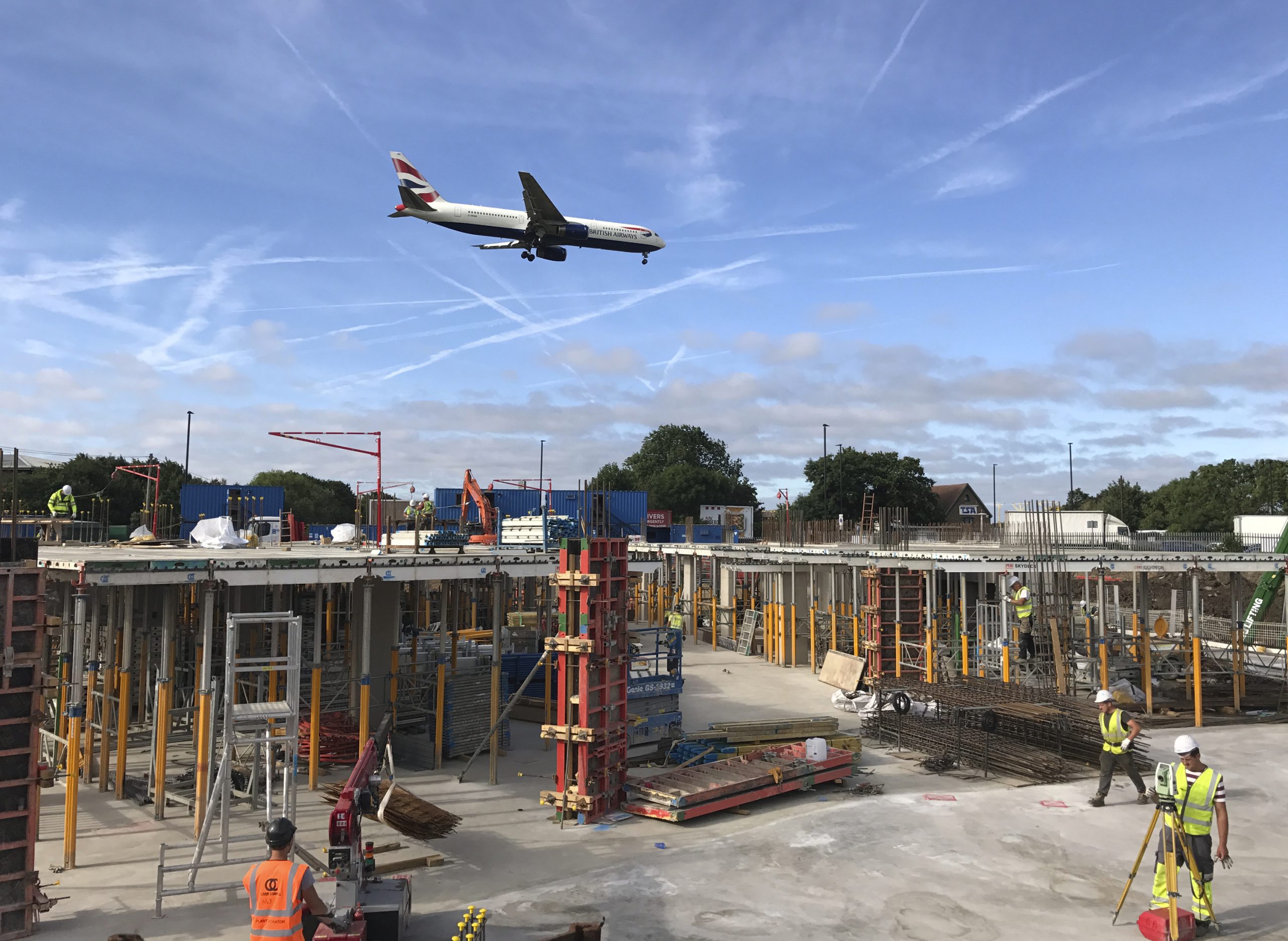
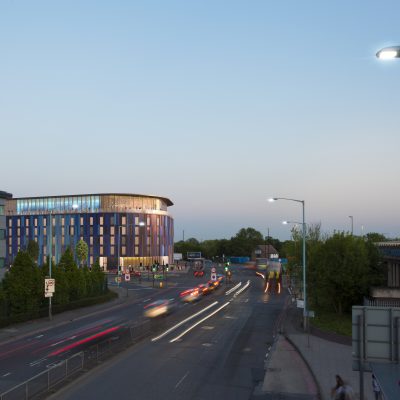
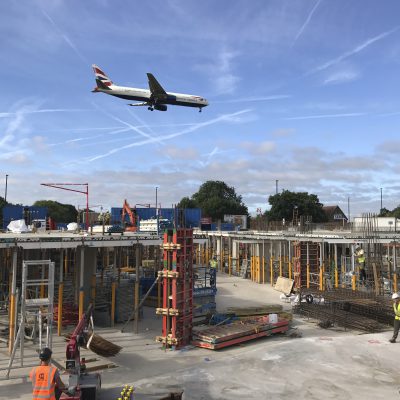
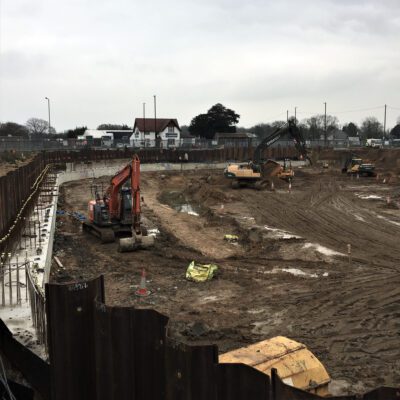
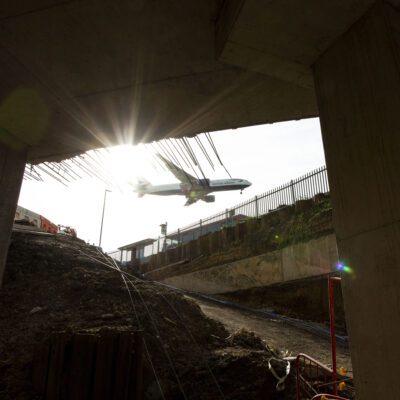
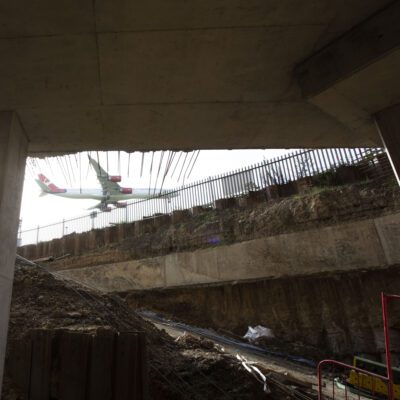
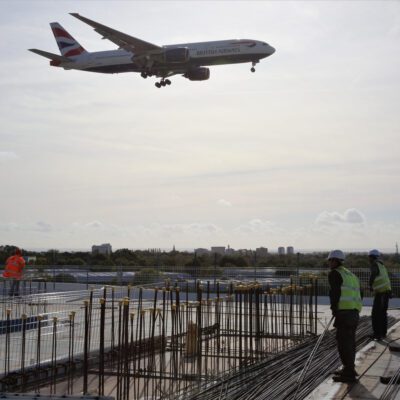
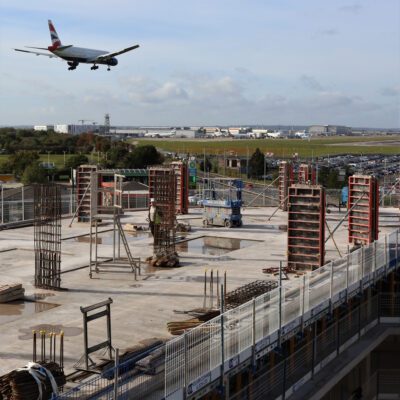
    The brief was to maximise the number of bedrooms that could be accommodated to create a new hotel on a complex island site. Site constraints included multiple road junctions, adjacent shallow level tube lines, and also aviation restrictions due to its proximity to Heathrow Airport. These included the various Obstacle Limitation Surfaces in plan and section, which constrained the potential for construction in both plan and section, with a literal 'rising plane' restriction to height.

  • Design Proposal

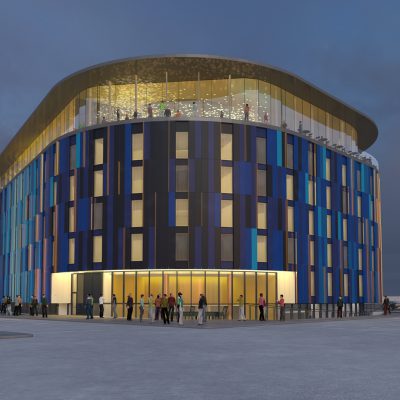
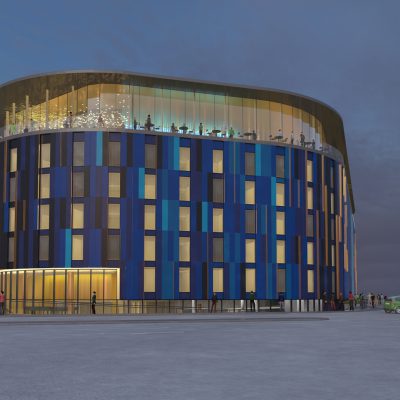
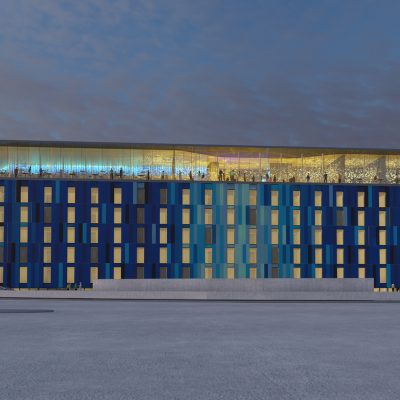
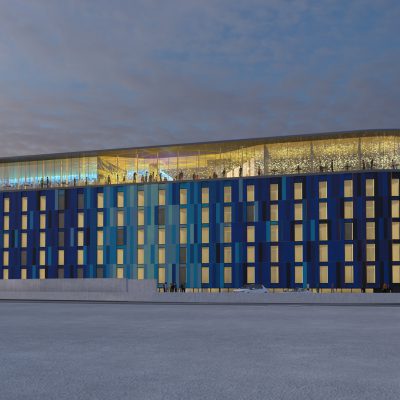
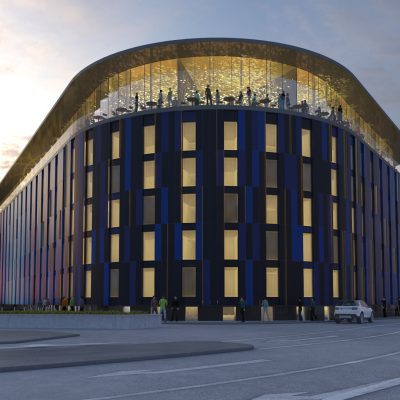
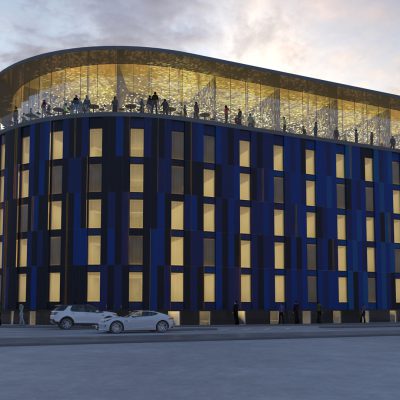
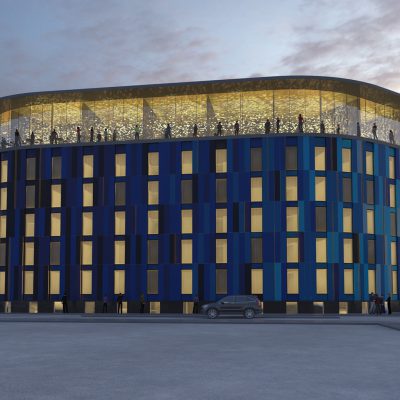
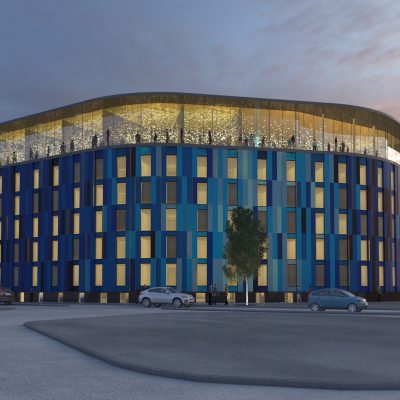
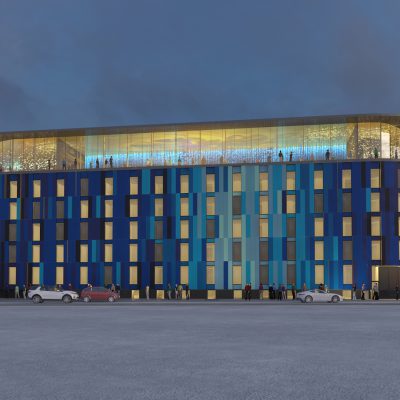
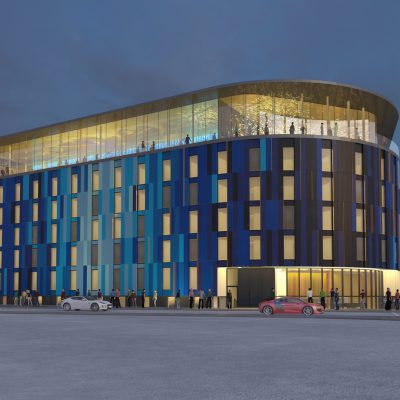
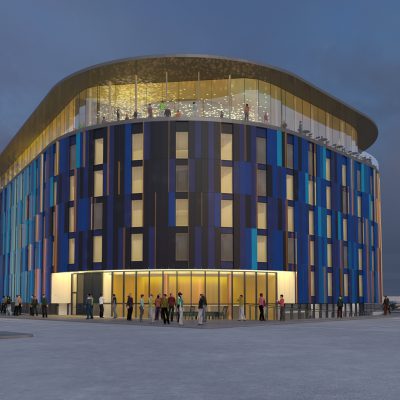
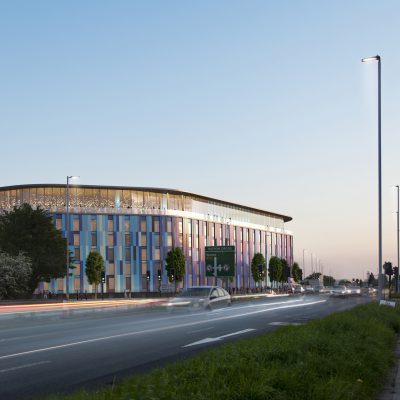
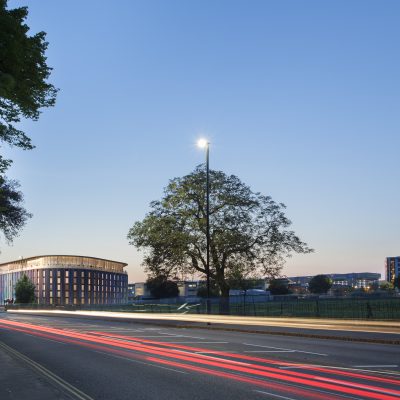
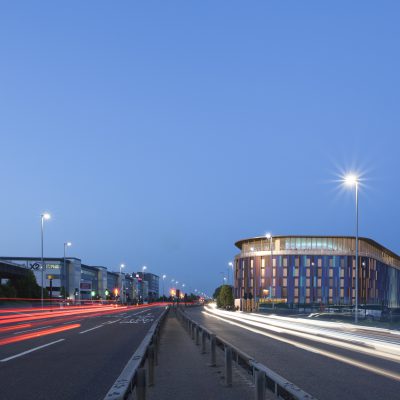
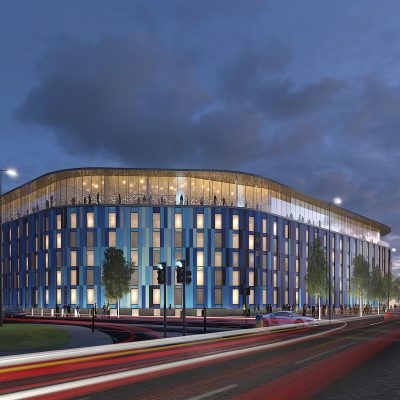
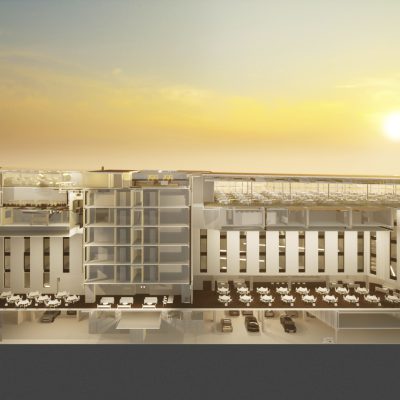
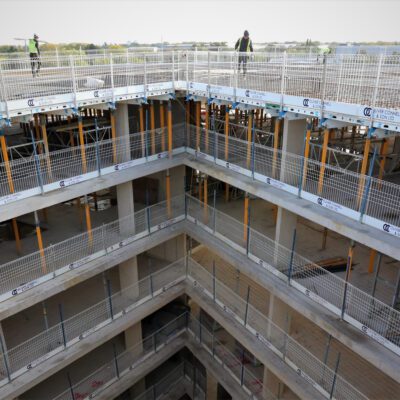
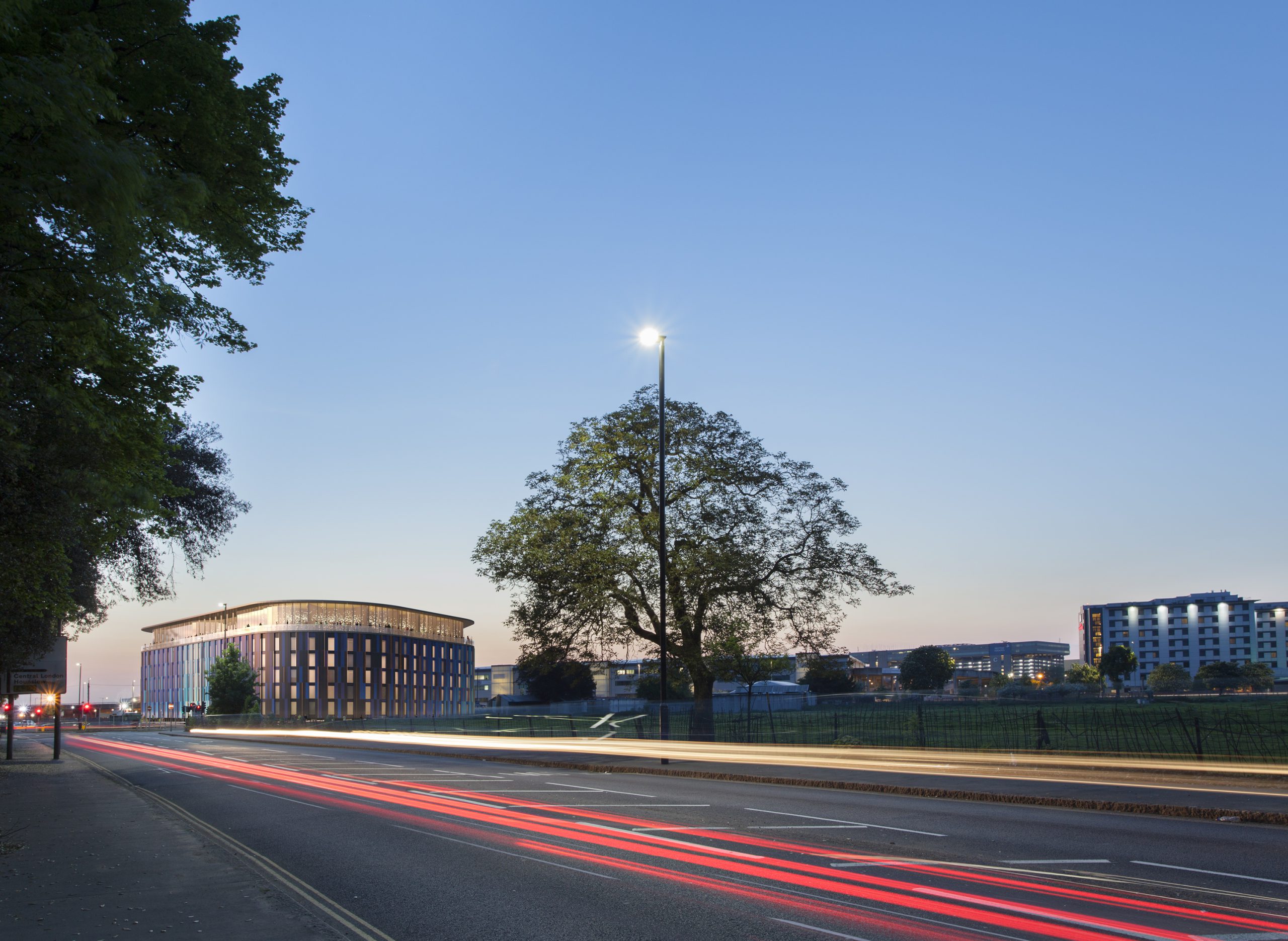
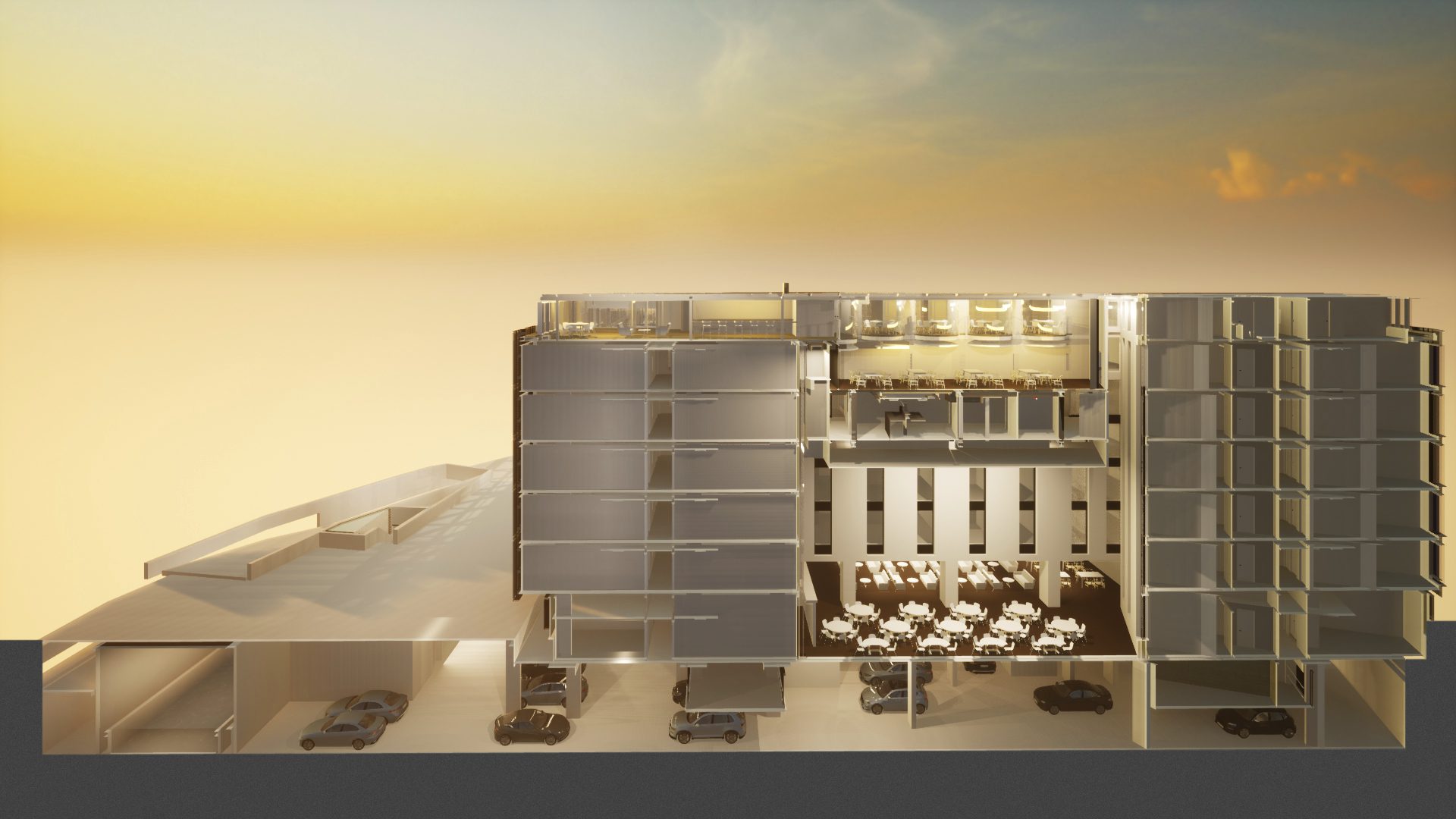
    Having looked at many different potential configurations of hotel relative to the shape of the site, a continuous loop configuration with a central cross wing proved to be the most efficient in terms of the number of potential bedrooms, generating over 600, and also the efficiency of the cores. The continuity of the facade also helped to give the hotel a similar identity when viewed from any of the multiple approaches. The ground level presented to a fairly hostile series of roads, and so the decision was taken to create reception spaces within the atria for the hotel.

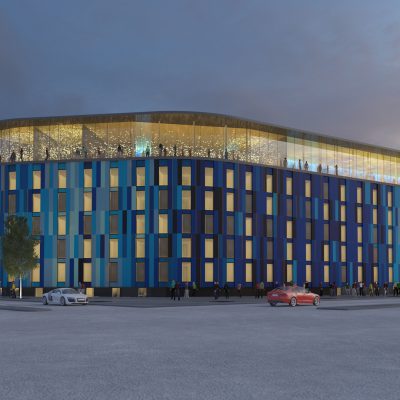
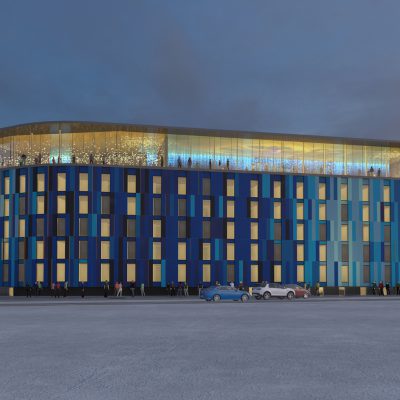
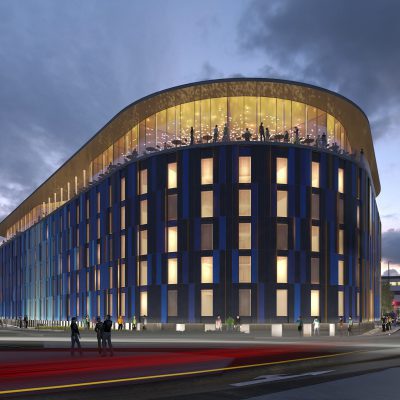
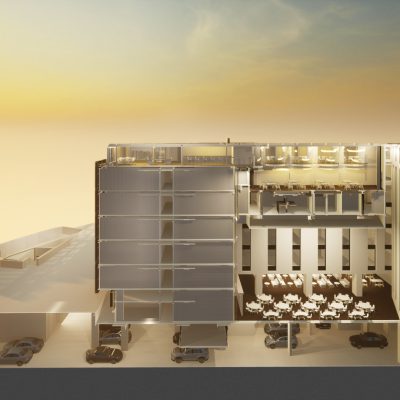
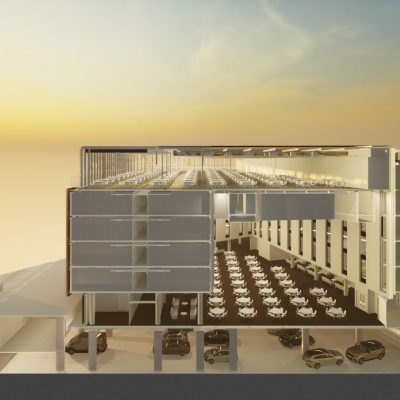
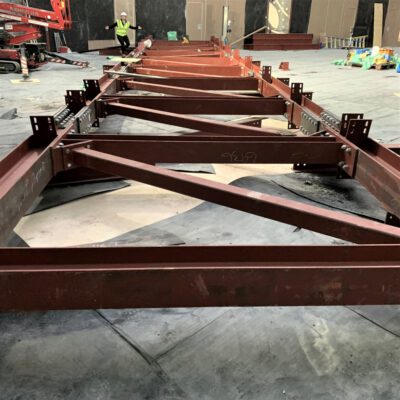
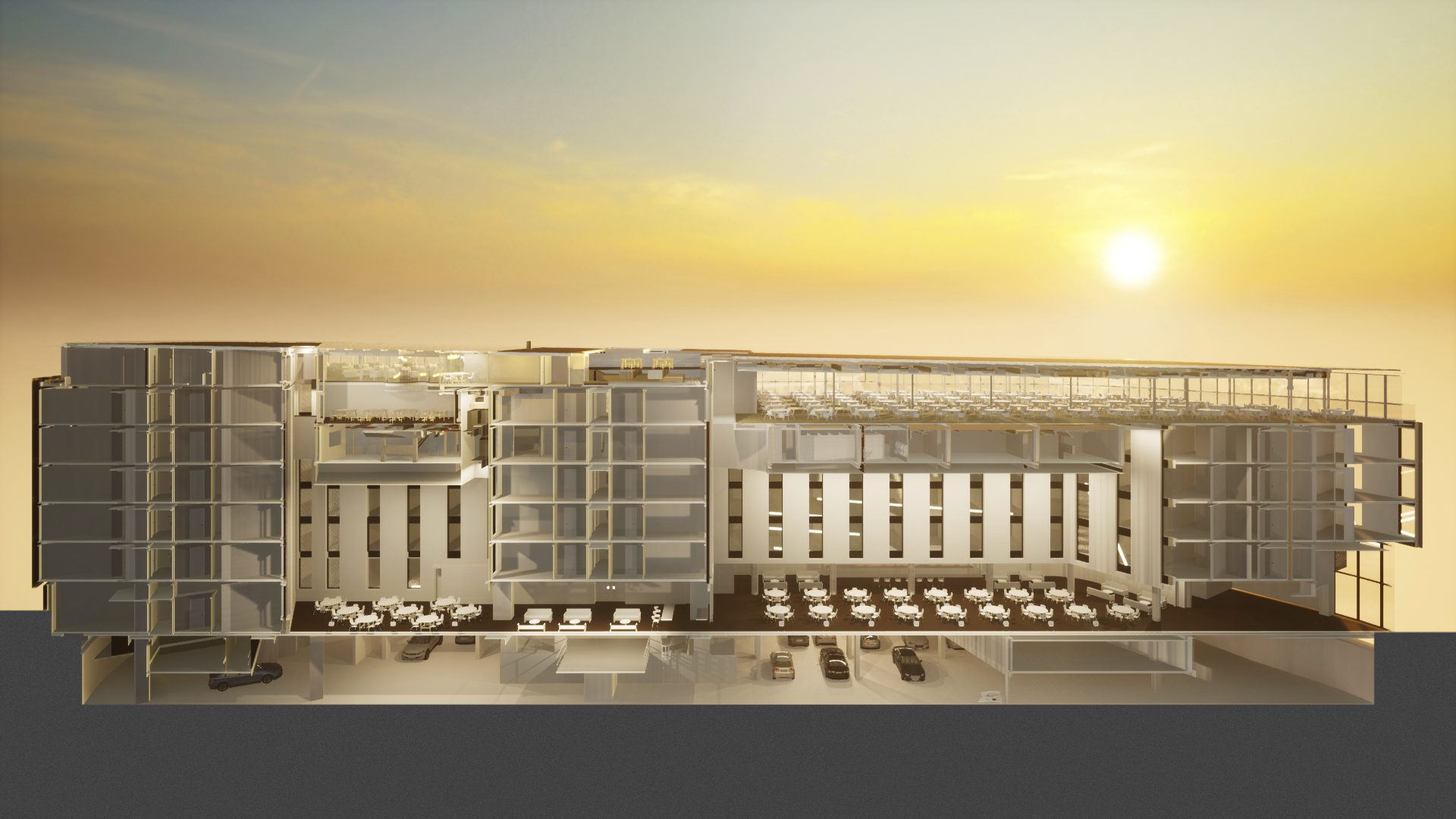
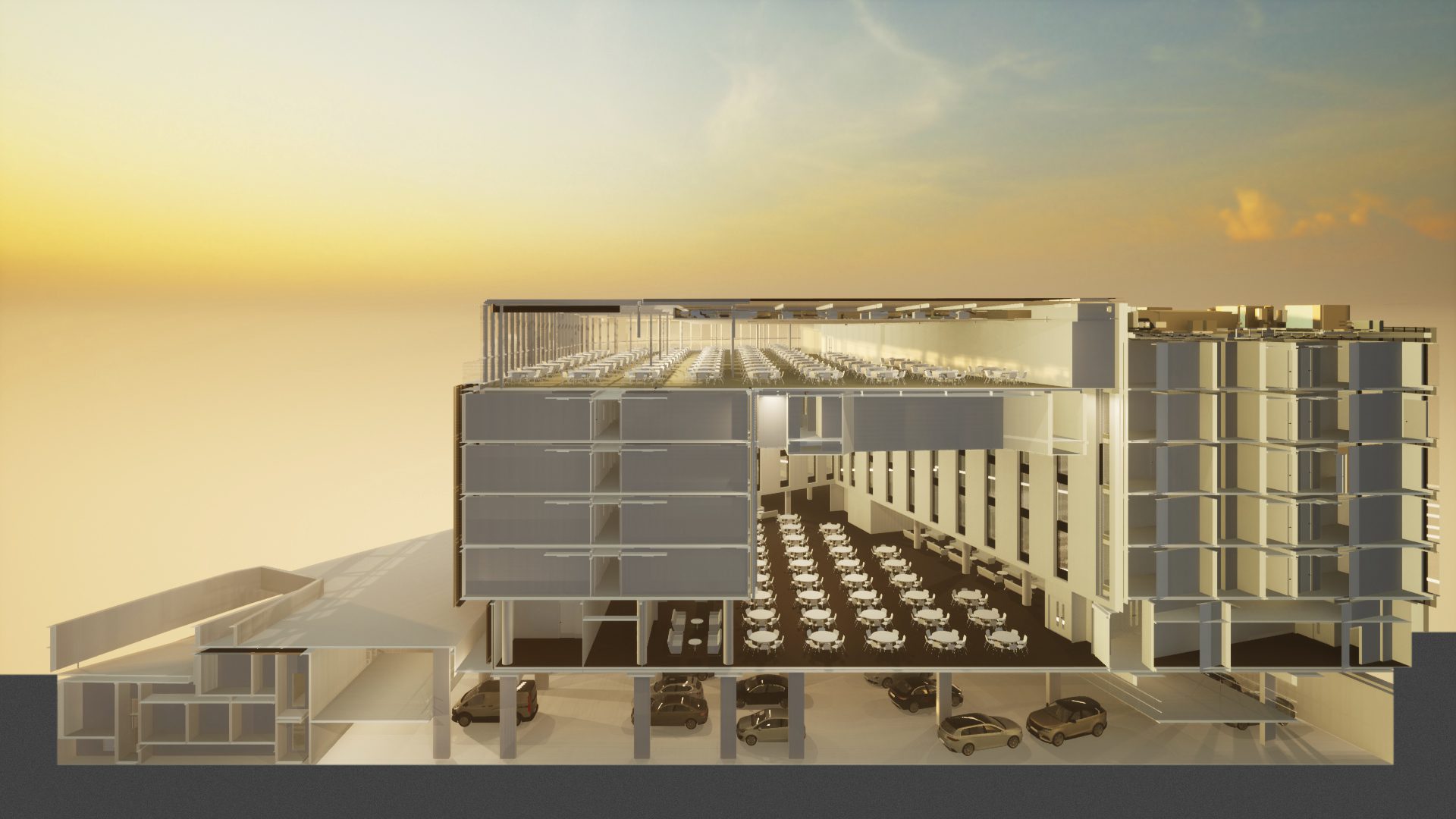
    Initial designs had allowed for the majority of the reception spaces to be located on the roof, because of the amazing views of the airport and of the planes taking off and landing. The runway sat to the west of the site, such that at dusk, the whole airport with its lights was also illuminated and backlit with the warmth of the afternoon sun. When the hotel was almost completed, the client bravely decided that they wished to create the high level reception spaces after all, and so the whole scheme was revised to accommodate what was referred to as the 'Skybar'. This included a very large 1000 seat venue, along with a restaurant and bar overlooking the spectacular view. New kitchens were formed at high level over the atrium spaces in a series of structurally complex 'saddlebag' arrangements, to service the new reception spaces.

  • GALLERY

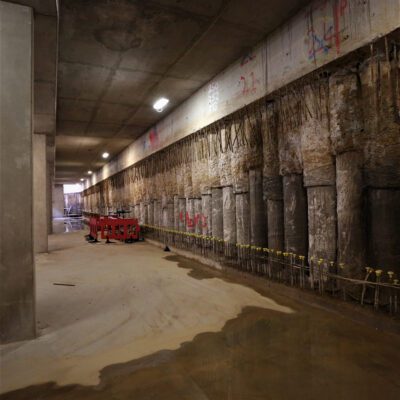
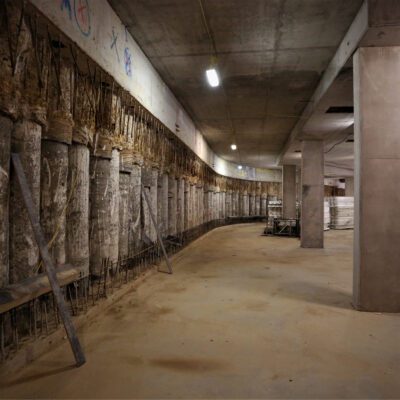
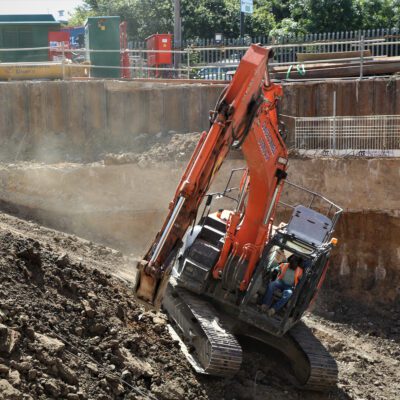
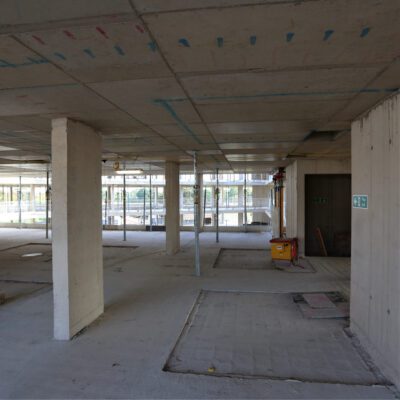
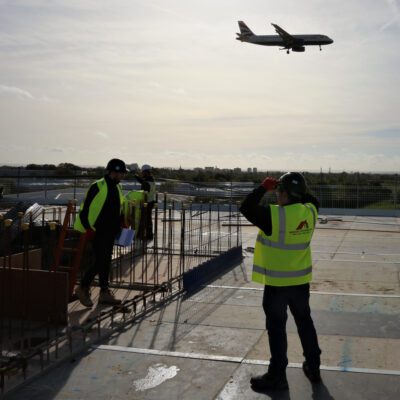
Our brief was to maximise the number of bedrooms that could be accommodated to create a new hotel on a complex island site. Site constraints included multiple road junctions, adjacent shallow level tube lines, and also aviation restrictions due to its proximity to Heathrow Airport.
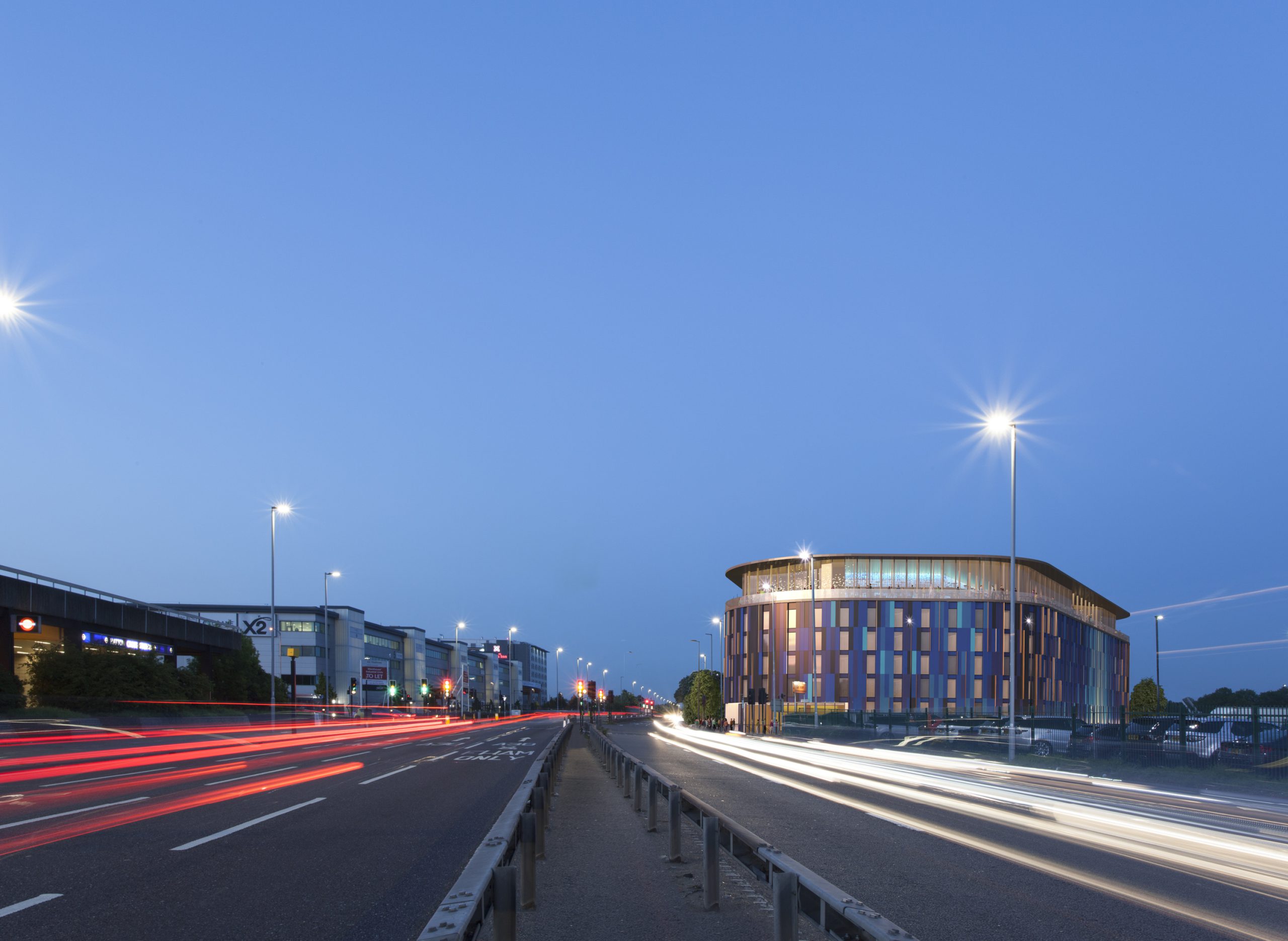
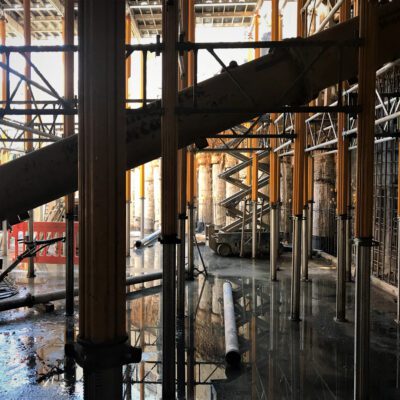
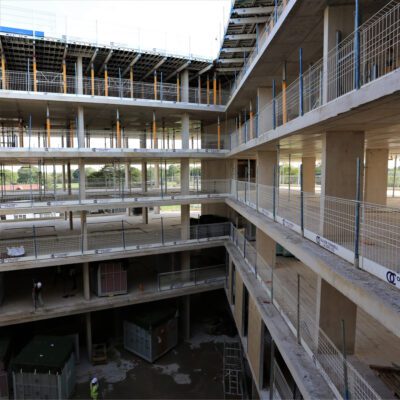
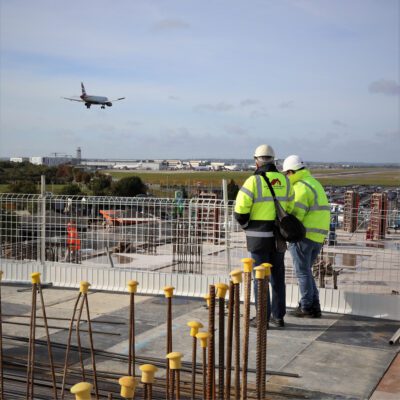
A continuous loop configuration with a central cross wing proved to be the most efficient in terms of the number of potential bedrooms, generating over 600, and also the efficiency of the cores.
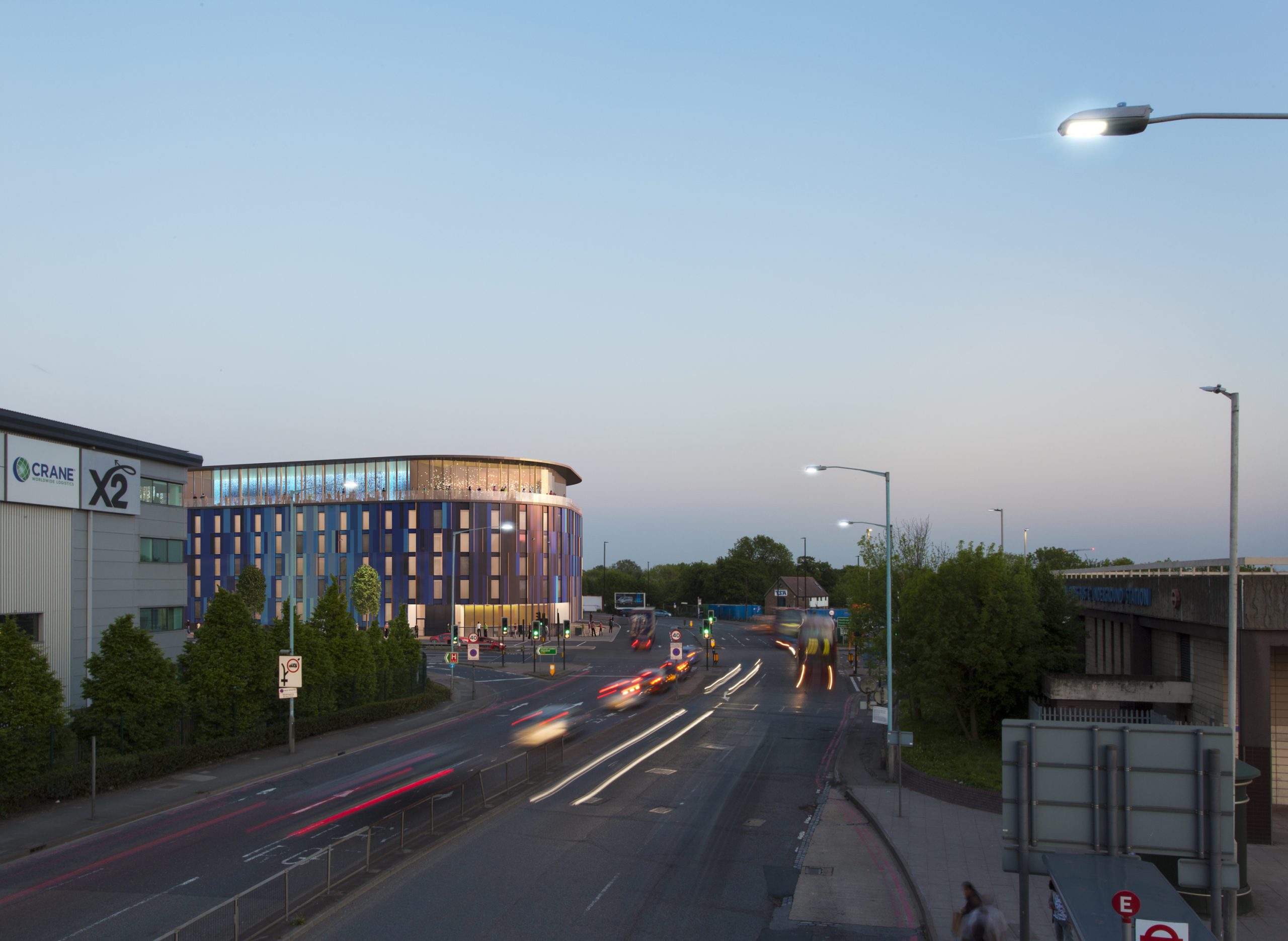
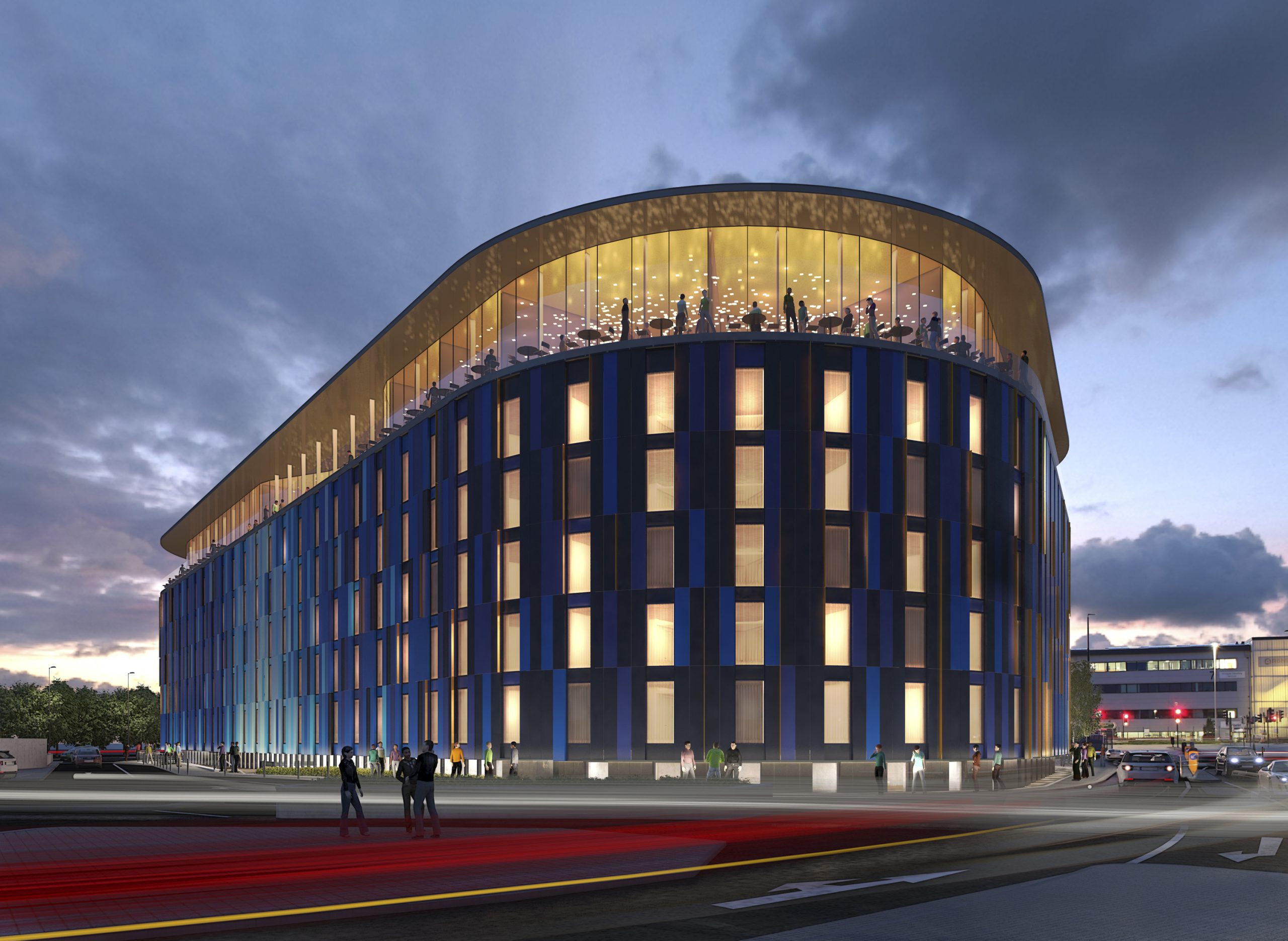
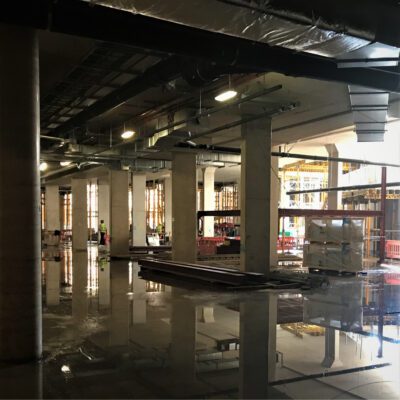
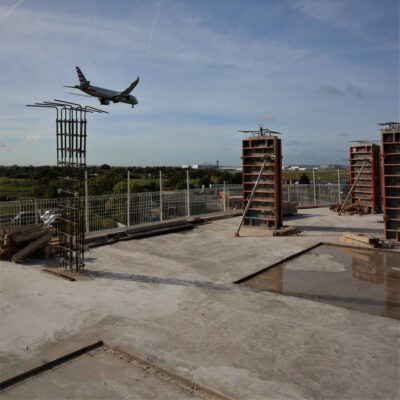
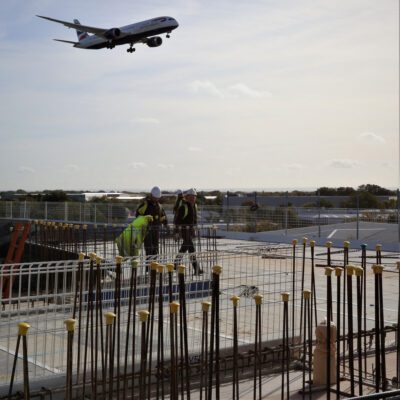
Initial designs had allowed for the majority of the reception spaces to be located on the roof, because of the amazing views of the airport and of the planes taking off and landing.
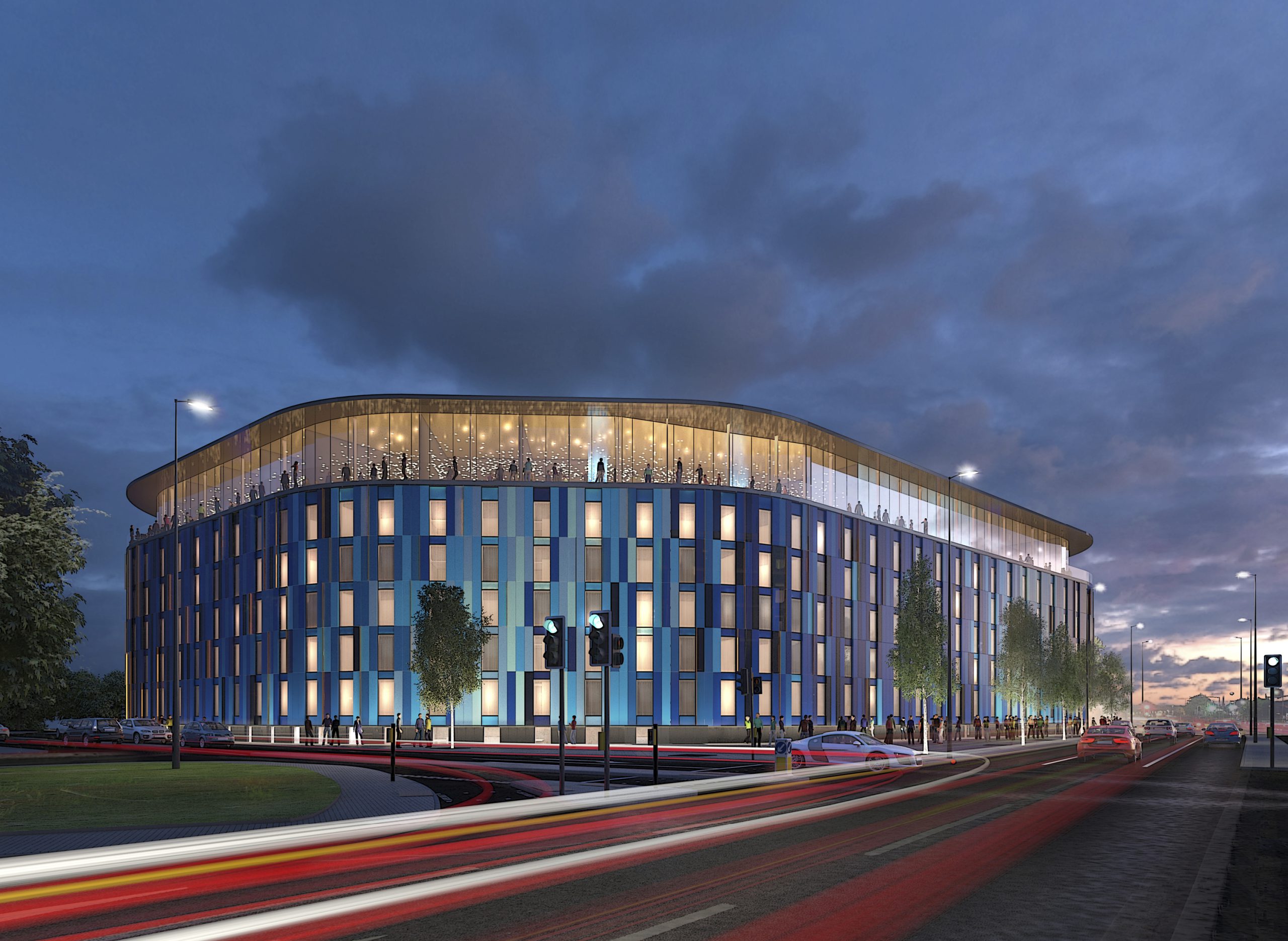
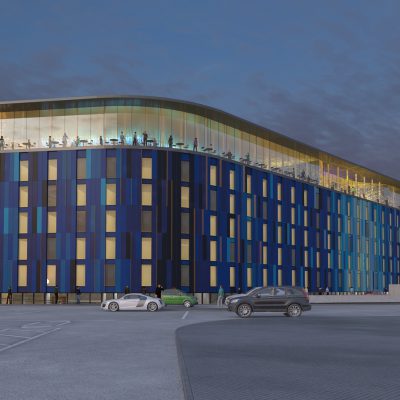
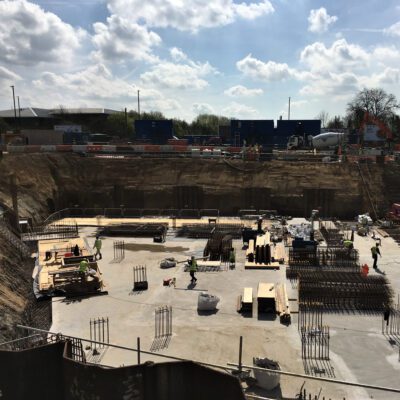
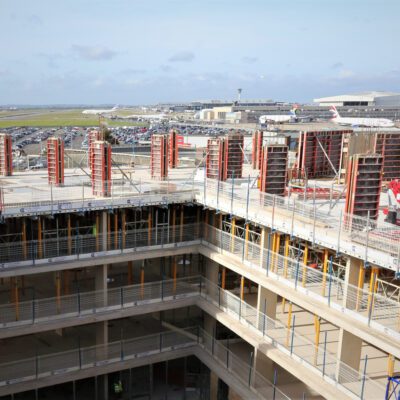
When the hotel was almost completed, the client bravely decided that they wished to create the high level reception spaces after all, and so the whole scheme was revised to accommodate what was referred to as the ‘Skybar’. This included a very large 1000 seat venue, along with a restaurant and bar overlooking the spectacular view.
  • Brief

    The brief was to maximise the number of bedrooms that could be accommodated to create a new hotel on a complex island site. Site constraints included multiple road junctions, adjacent shallow level tube lines, and also aviation restrictions due to its proximity to Heathrow Airport. These included the various Obstacle Limitation Surfaces in plan and section, which constrained the potential for construction in both plan and section, with a literal 'rising plane' restriction to height.

  • Design Proposal

    Having looked at many different potential configurations of hotel relative to the shape of the site, a continuous loop configuration with a central cross wing proved to be the most efficient in terms of the number of potential bedrooms, generating over 600, and also the efficiency of the cores. The continuity of the facade also helped to give the hotel a similar identity when viewed from any of the multiple approaches. The ground level presented to a fairly hostile series of roads, and so the decision was taken to create reception spaces within the atria for the hotel.

    Initial designs had allowed for the majority of the reception spaces to be located on the roof, because of the amazing views of the airport and of the planes taking off and landing. The runway sat to the west of the site, such that at dusk, the whole airport with its lights was also illuminated and backlit with the warmth of the afternoon sun. When the hotel was almost completed, the client bravely decided that they wished to create the high level reception spaces after all, and so the whole scheme was revised to accommodate what was referred to as the 'Skybar'. This included a very large 1000 seat venue, along with a restaurant and bar overlooking the spectacular view. New kitchens were formed at high level over the atrium spaces in a series of structurally complex 'saddlebag' arrangements, to service the new reception spaces.
  • GALLERY