Suspended Kitchens
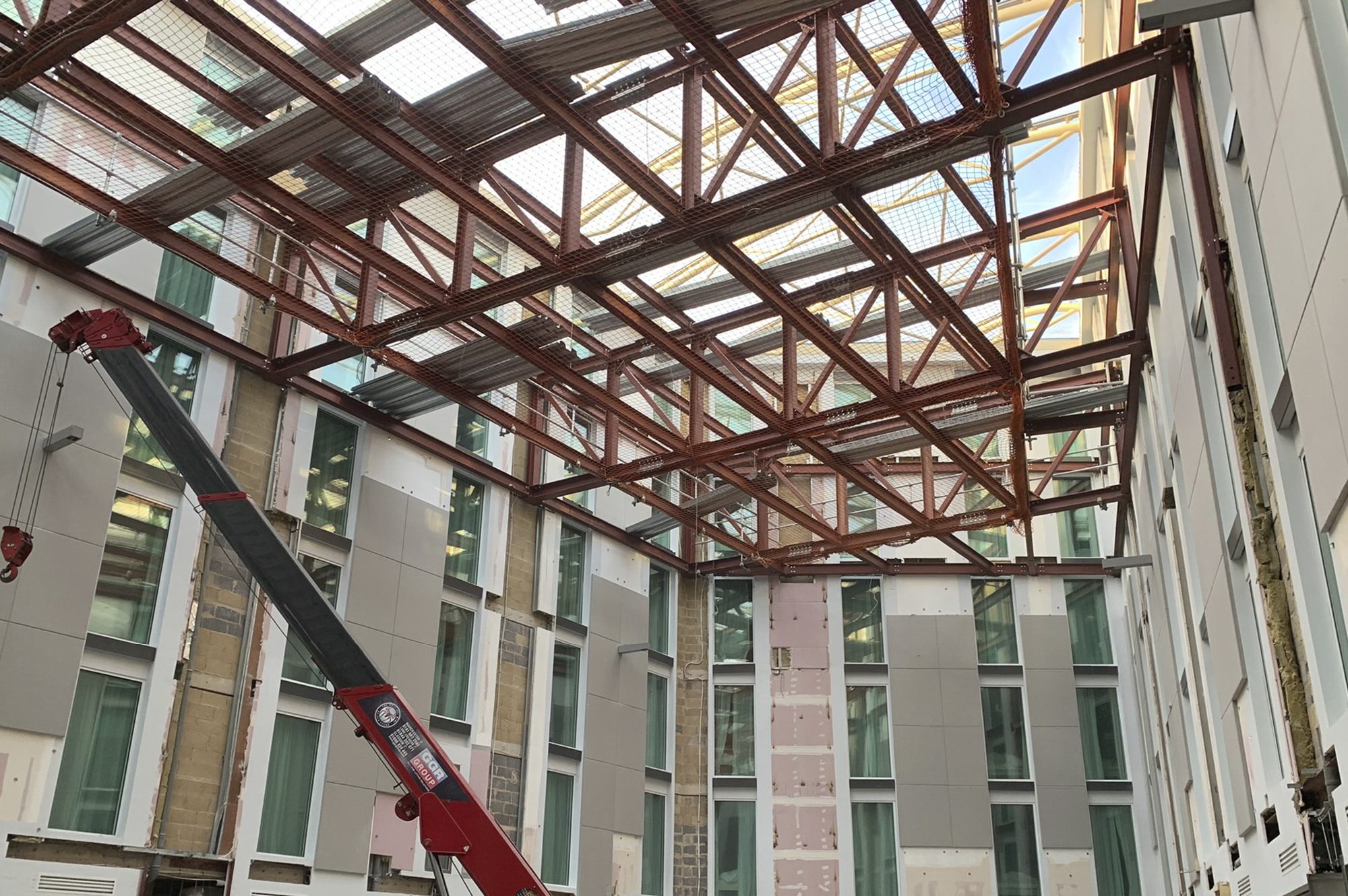
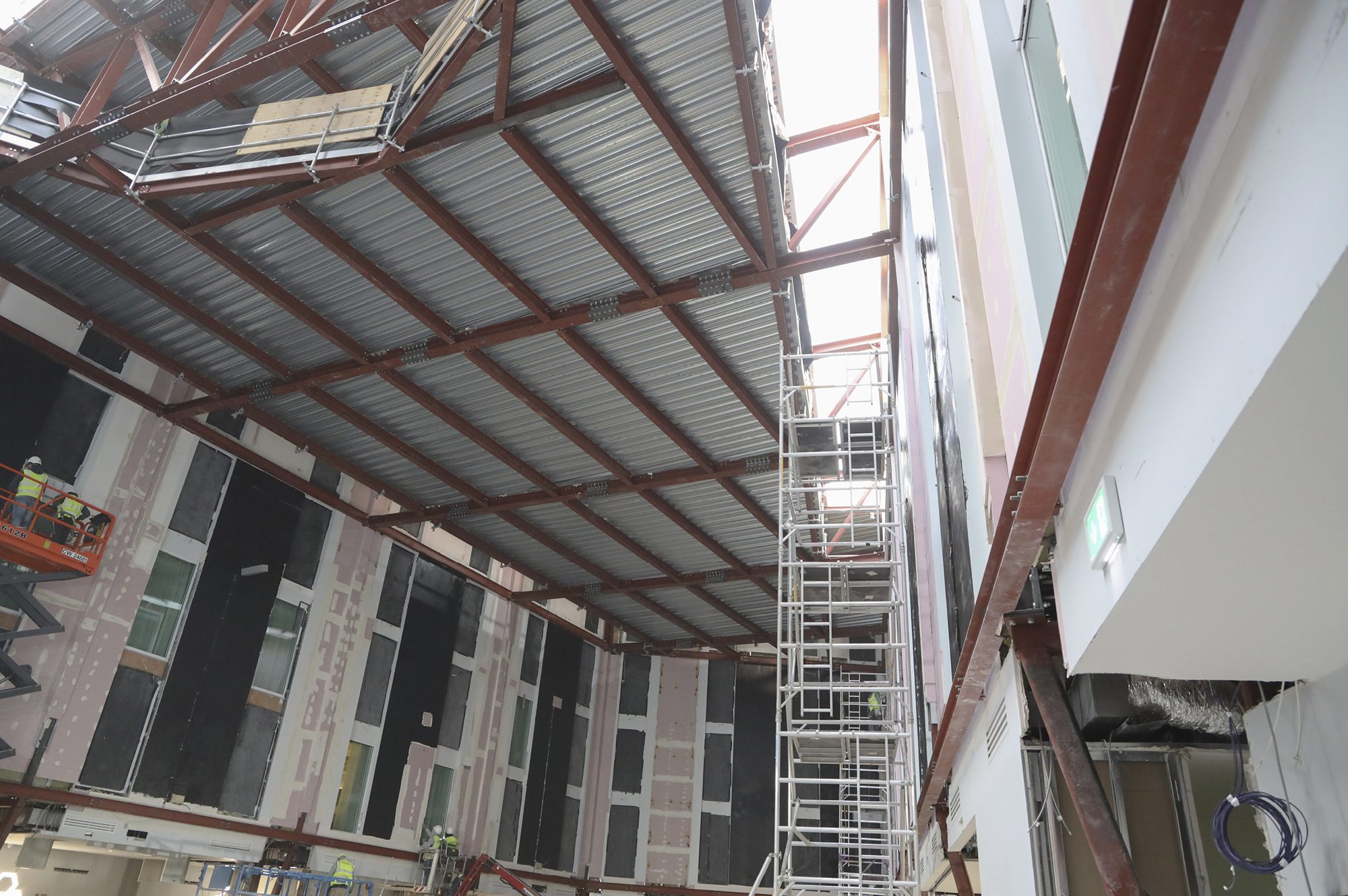
One of the most technically and practically complex design problems we have had to deliver was when a client for whom we had recently completed a large hotel with two atrium spaces asked us to adapt the building to allow for a series of function spaces on the upper floors. This necessitated covering over the atria whilst also maintaining natural light to the bedrooms which faced into the atria.
The top floor was to become a series of function spaces, but this in turn then required a significant increase in the catering capacity within the hotel. They required two additional full hot and cold kitchens with associated back-of-house. One of the kitchens was for a new fine dining restaurant, whilst the other was for a substantial 1000 cover hospitality venue.
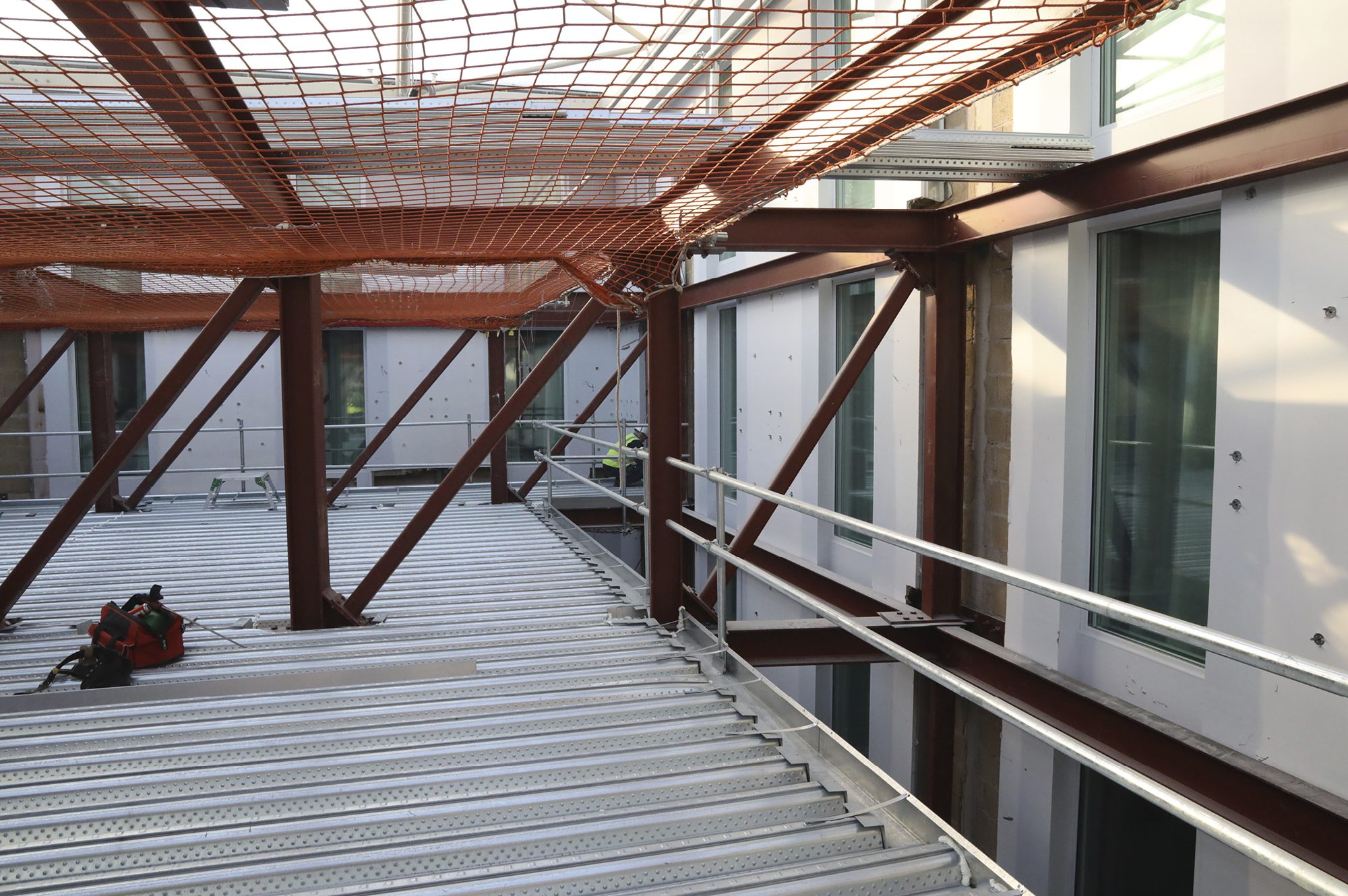
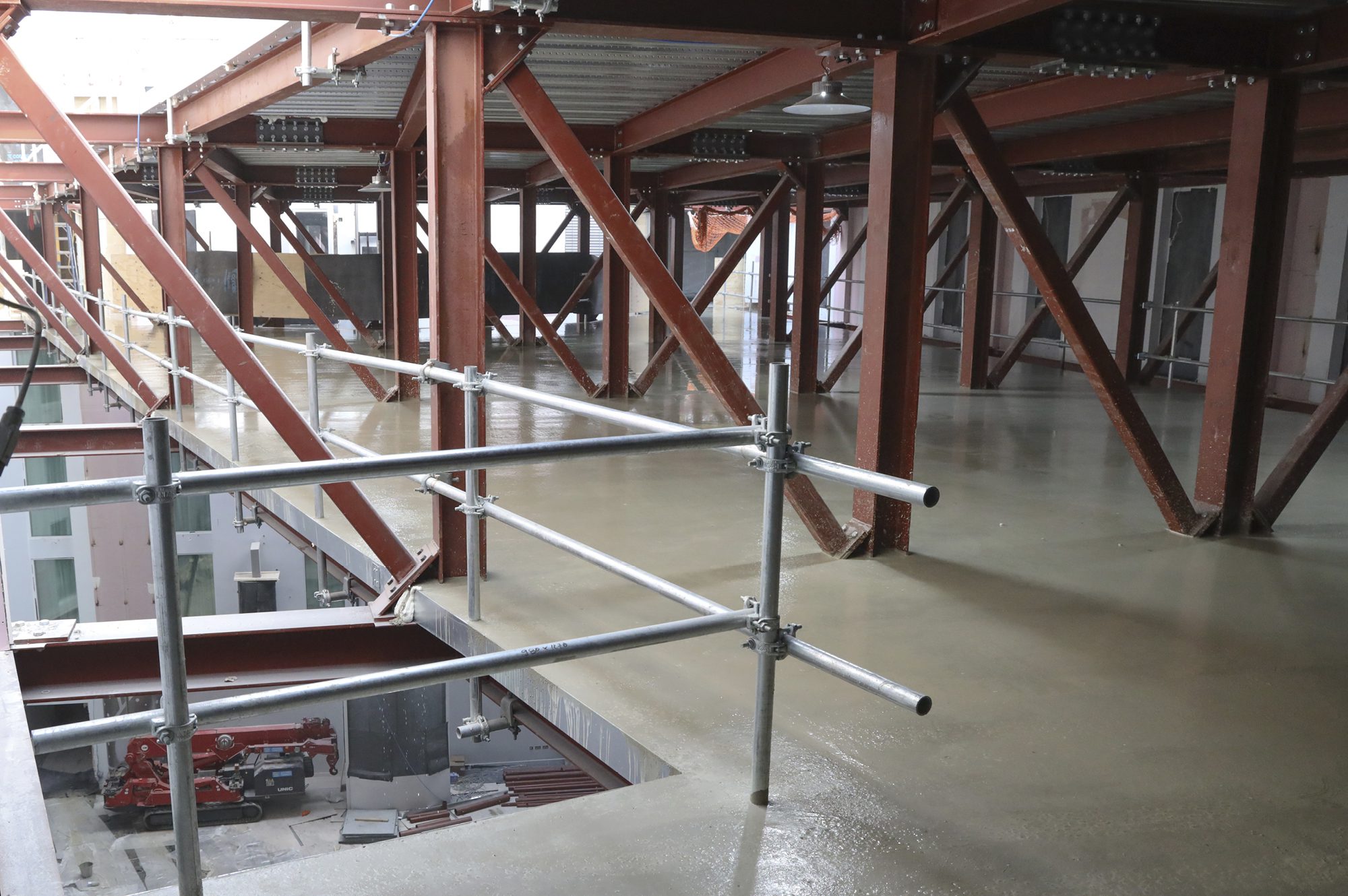
The two kitchens were therefore built beneath the restaurant and hospitality venue hanging above the large atrium spaces within the completed hotel, with a series of lifts and dumb waiters then linking to the front of house spaces.
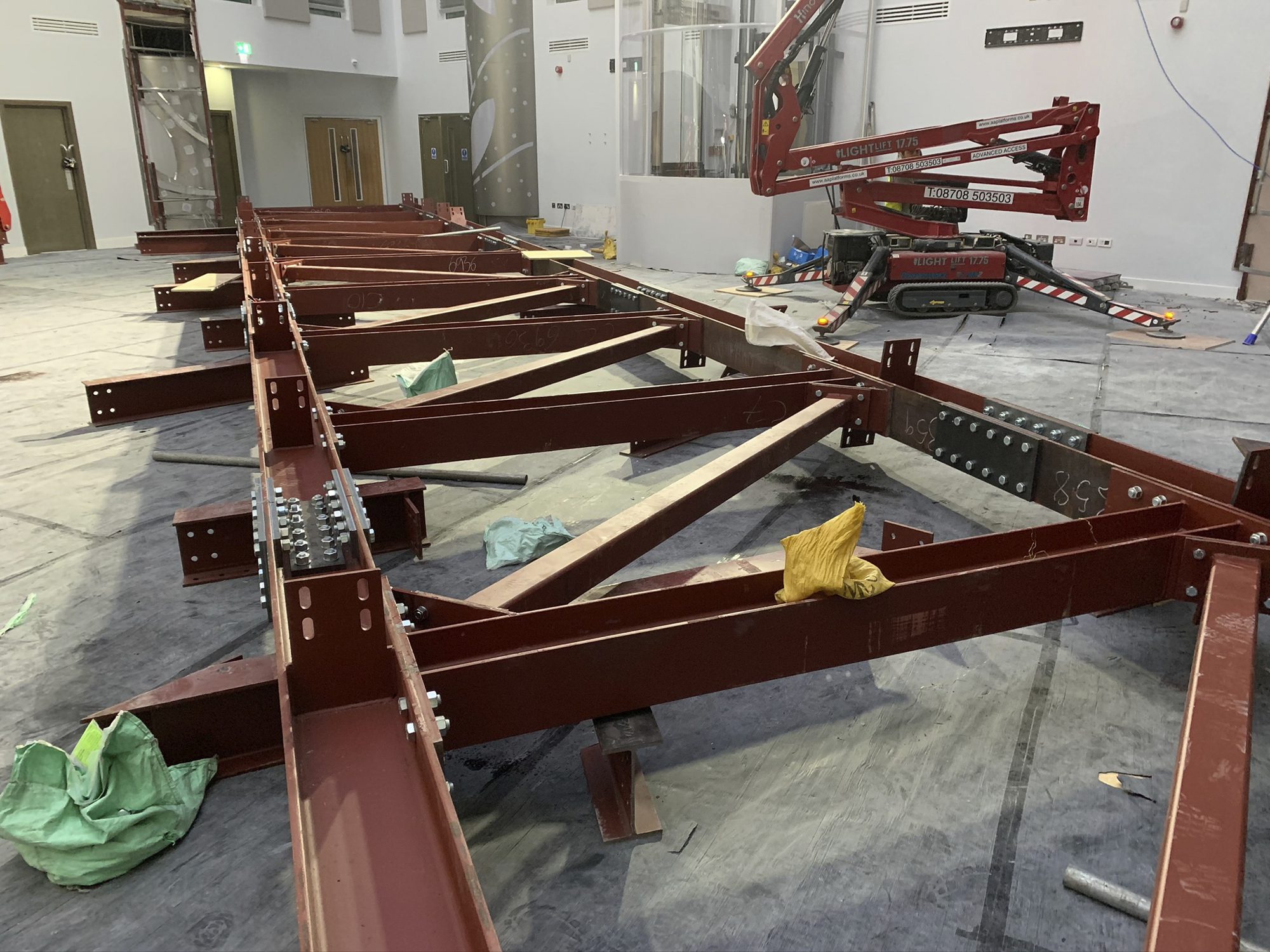
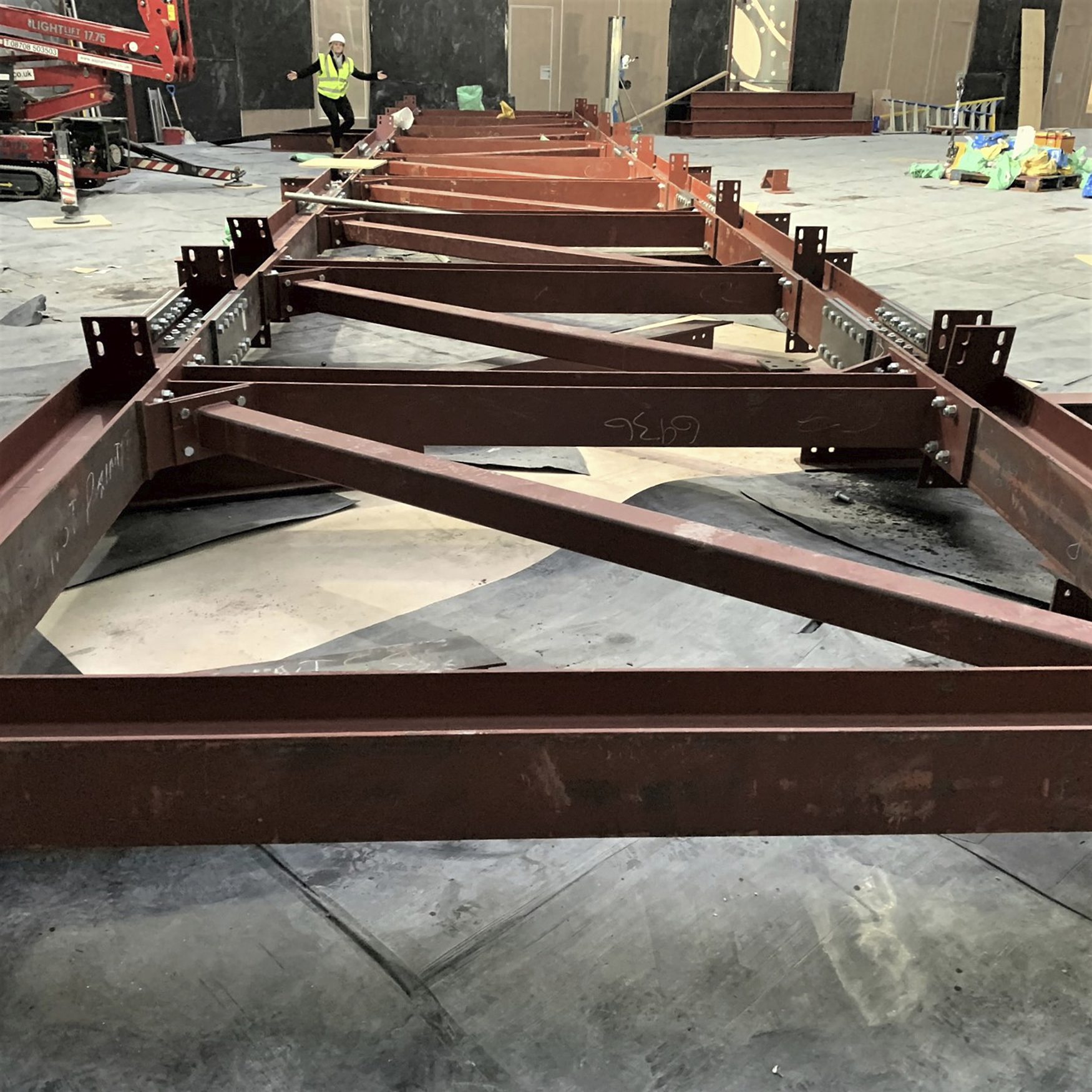
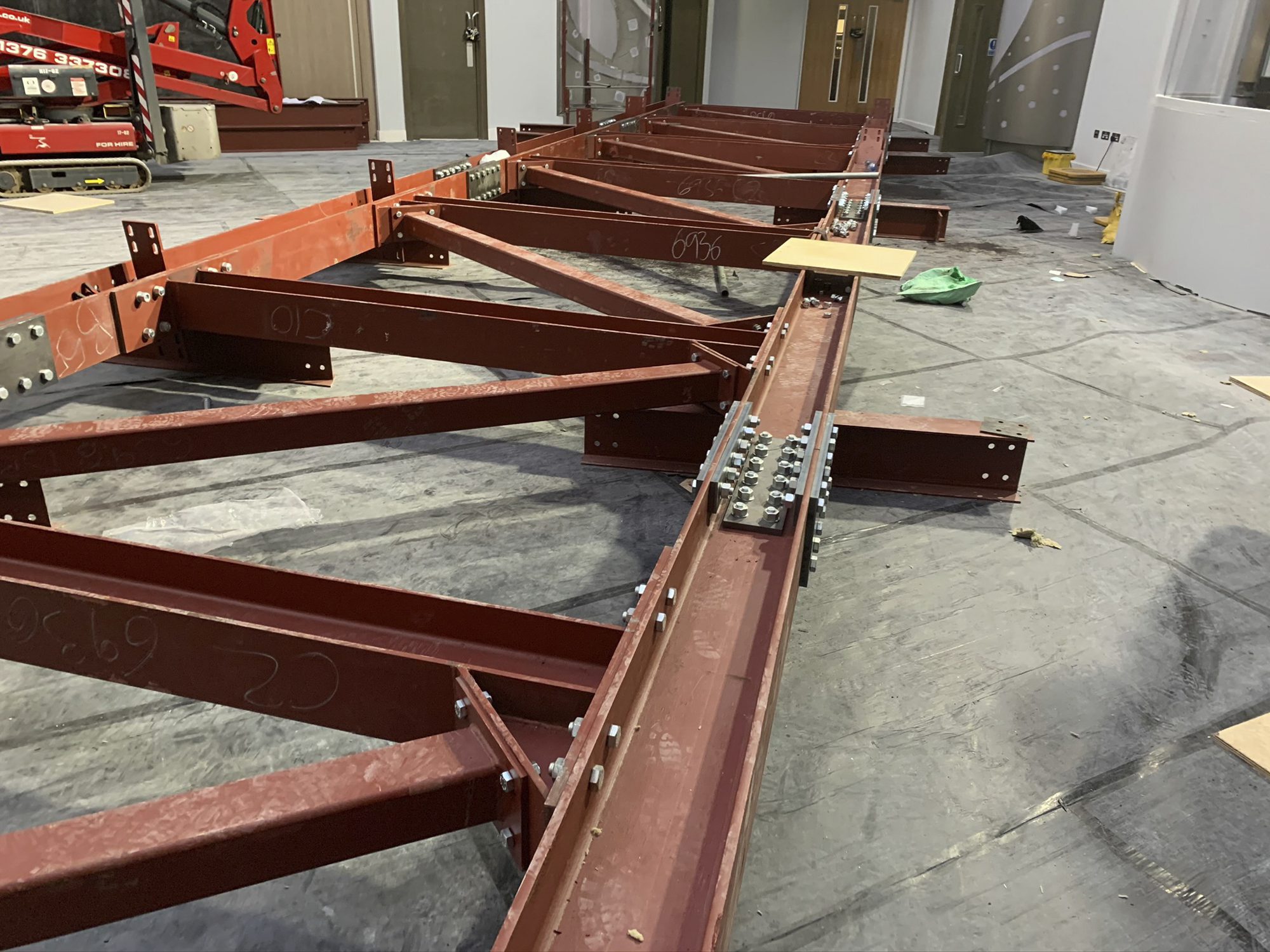
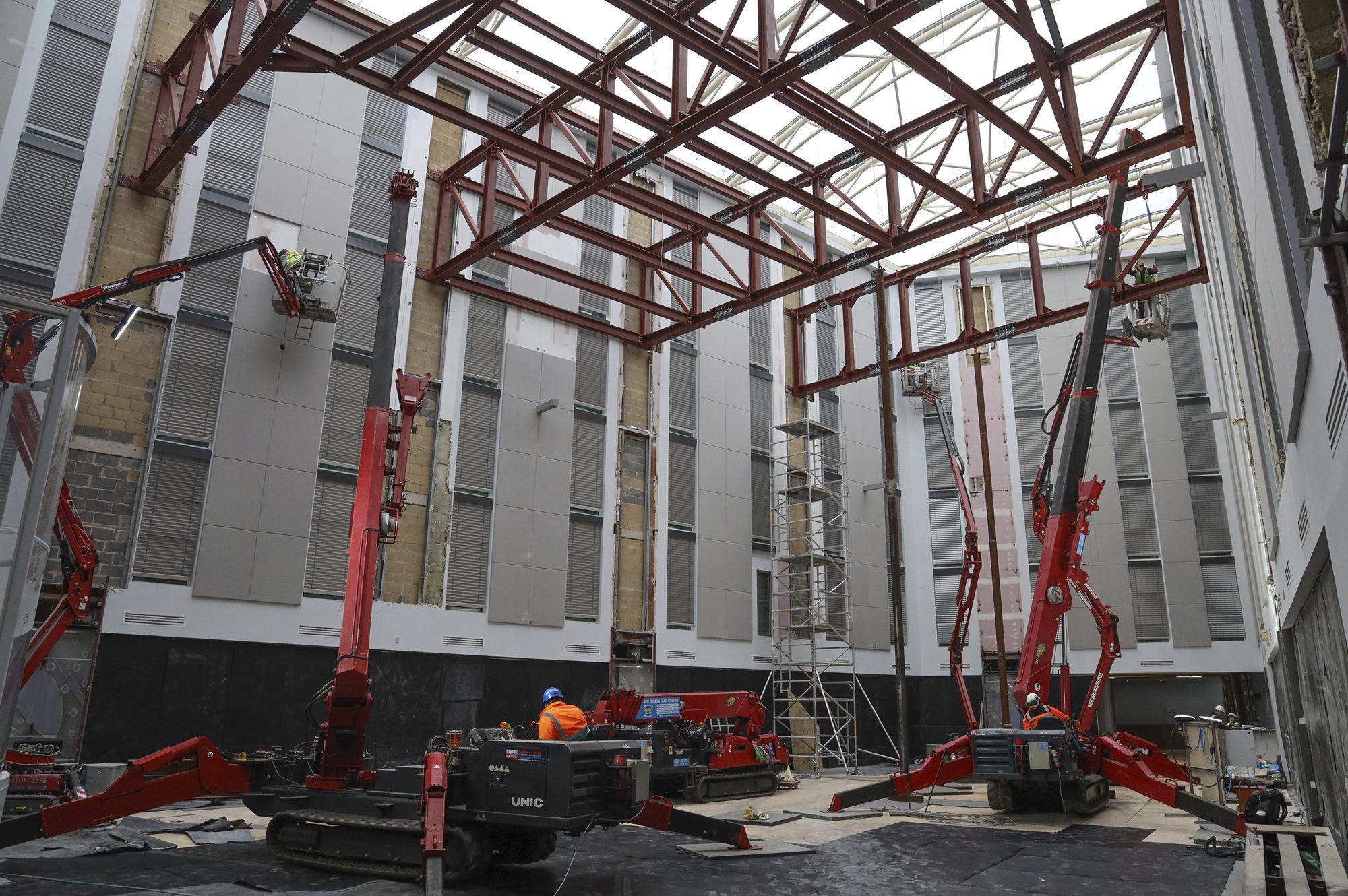
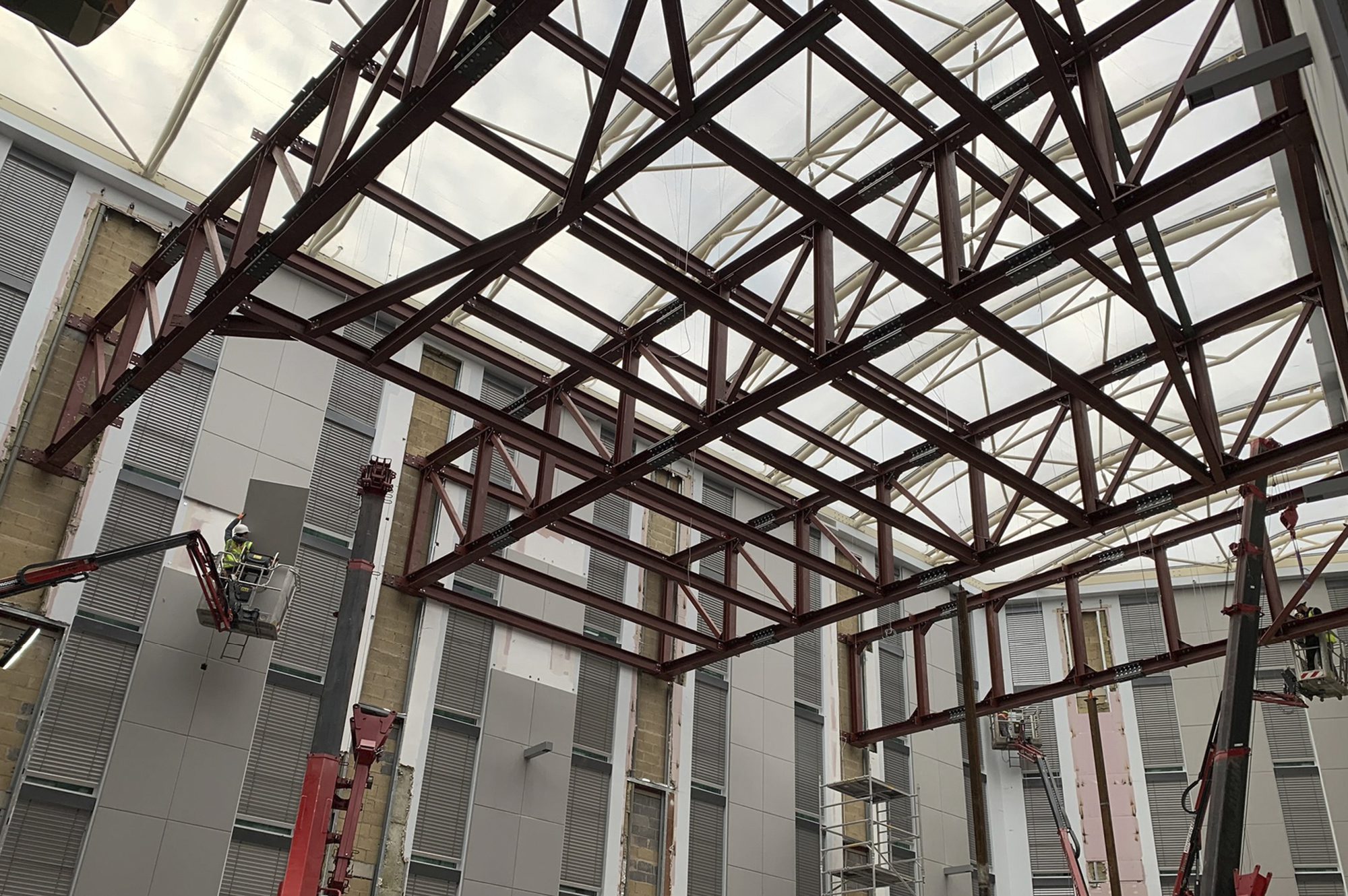
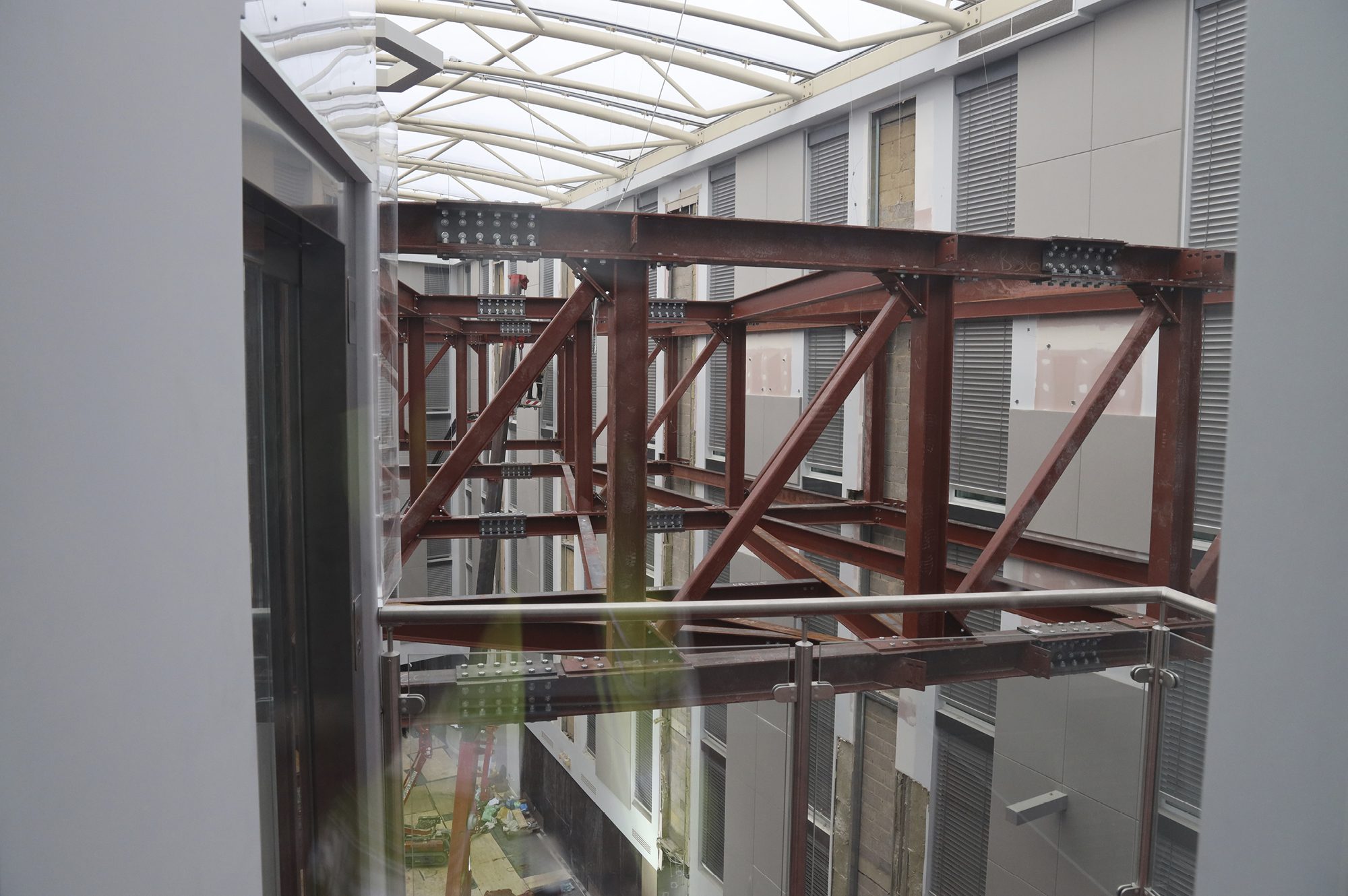
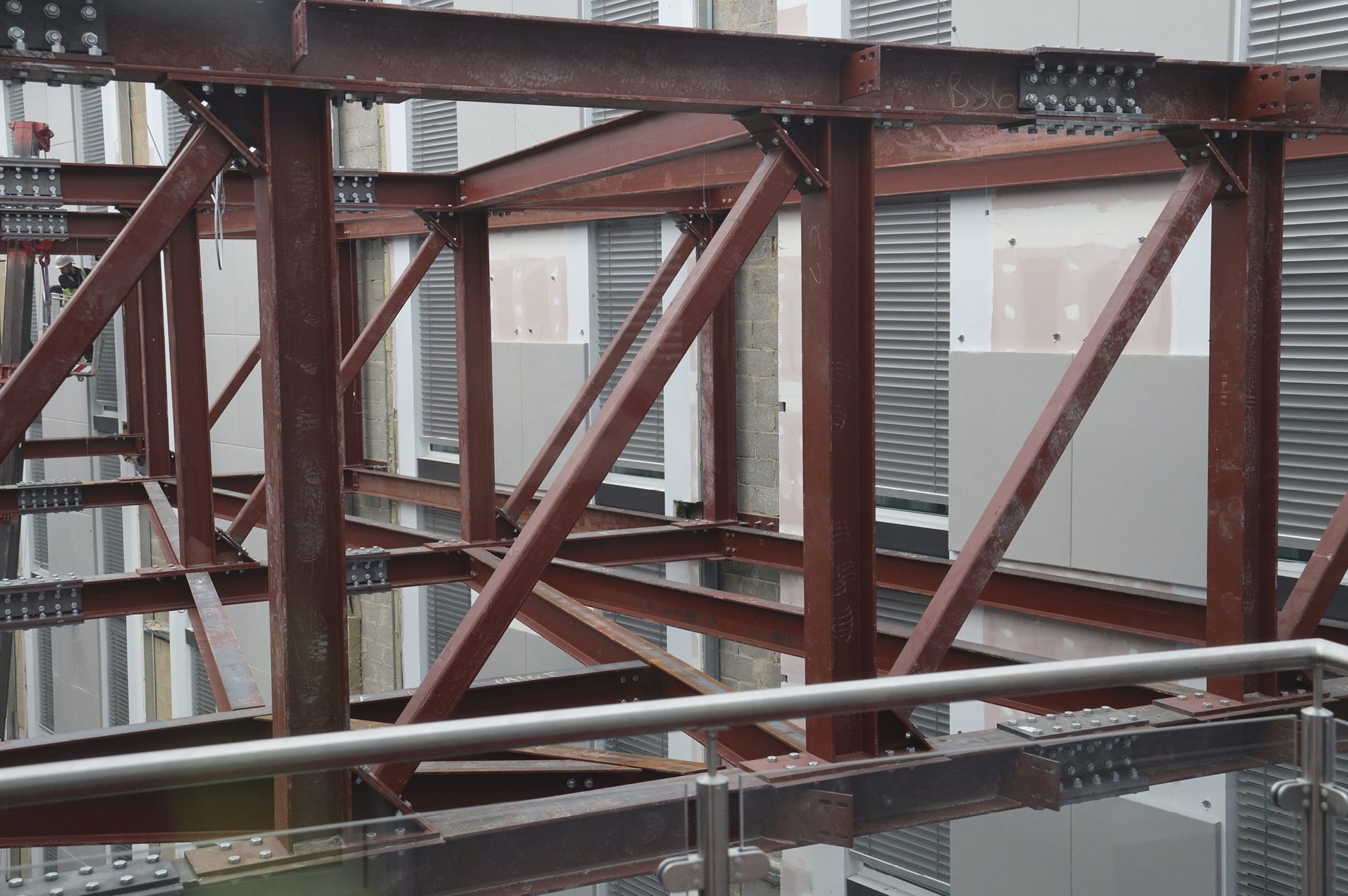
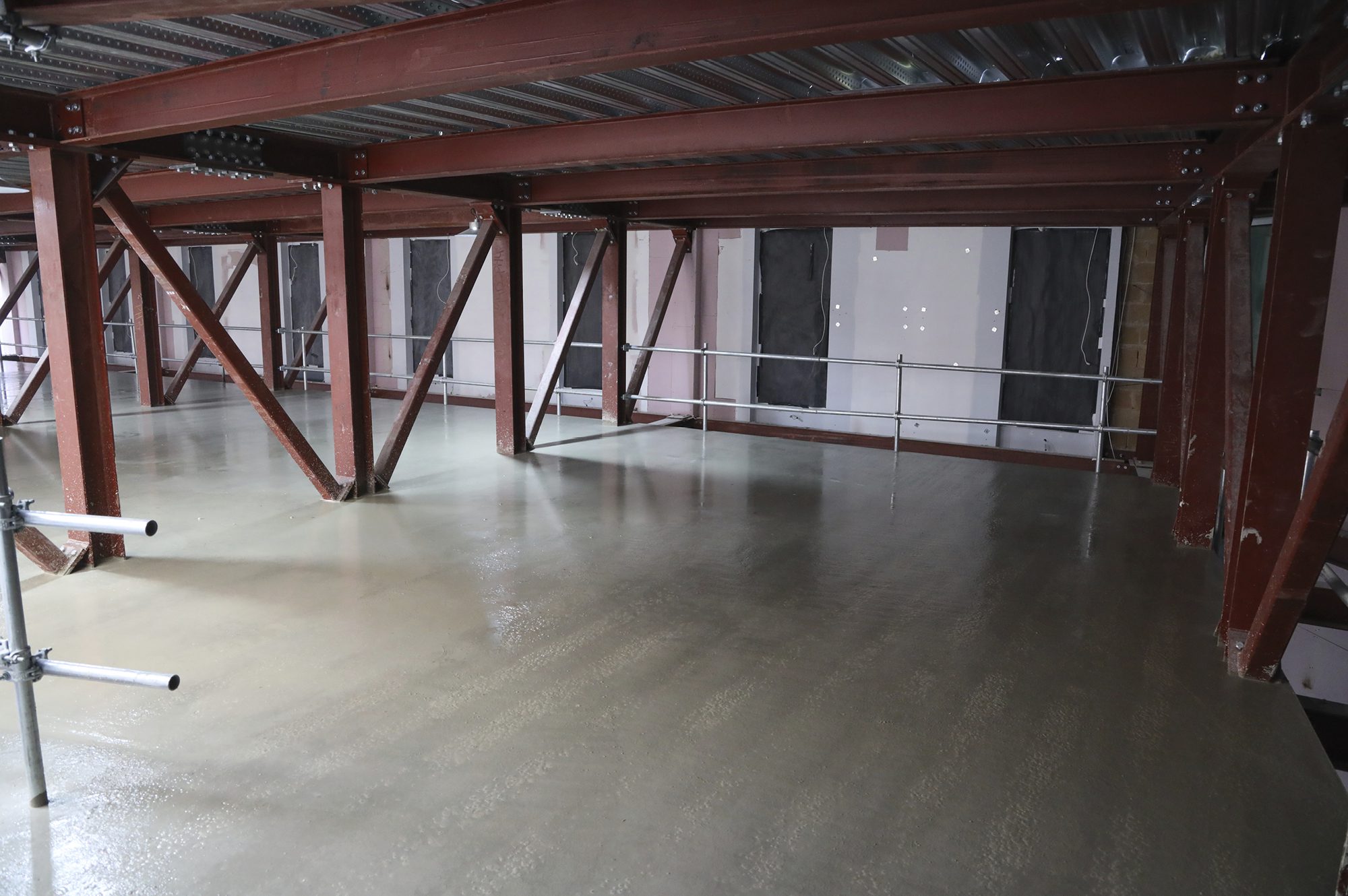
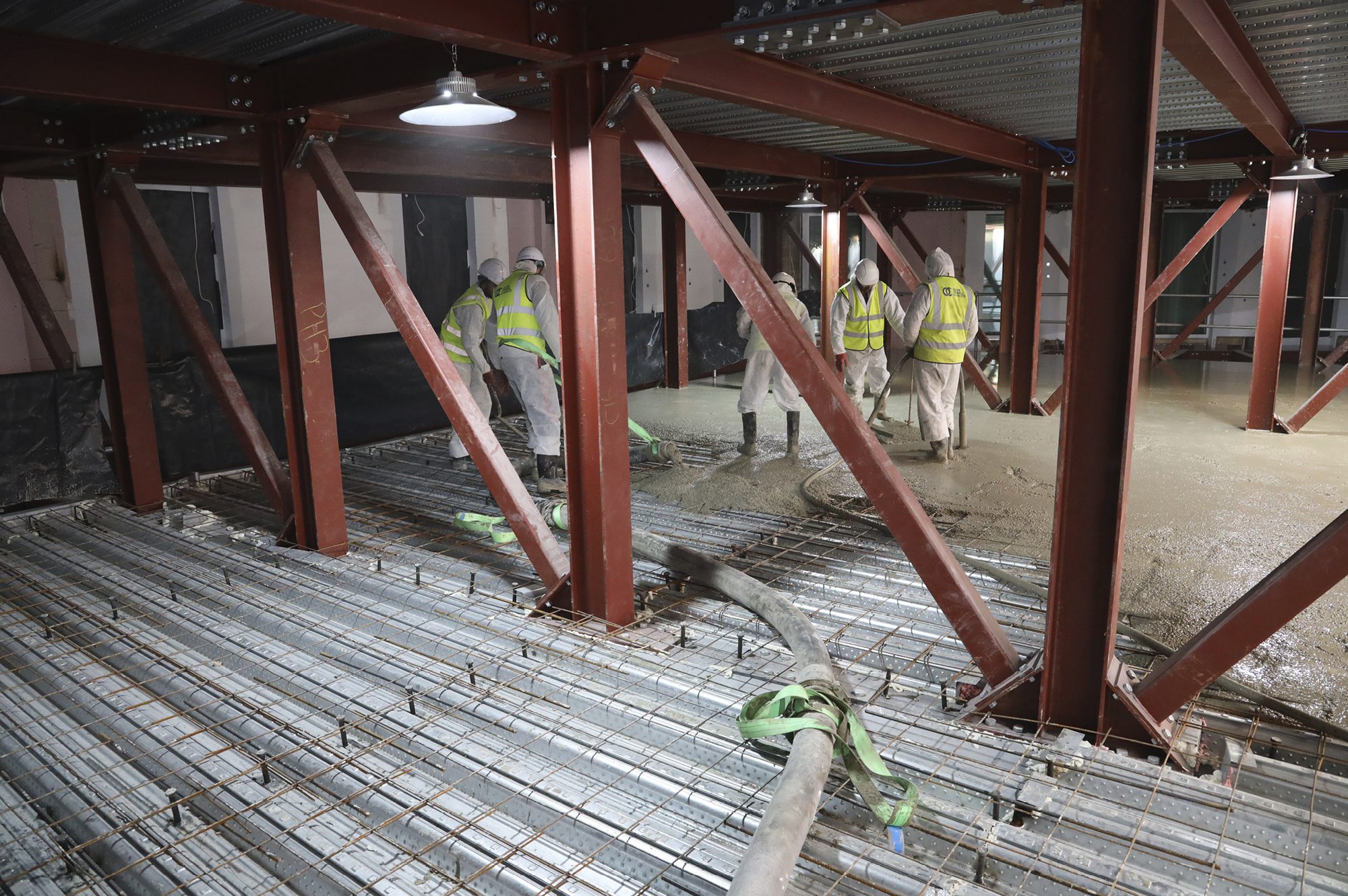
To maintain the column-free interiors within the atrium spaces below, the engineers proposed the introduction of a series of substantial vierendeel trusses which were designed to be the full depth of the proposed kitchens and would serve to support both the hospitality spaces above and also the kitchens themselves.
The design proposal therefore had to create functional hot kitchens linking via their dumb waiters to the reception space above, and also the supplies coming from ground level via the lifts, all whilst maintaining the existing inward facing bedrooms for the hotel.
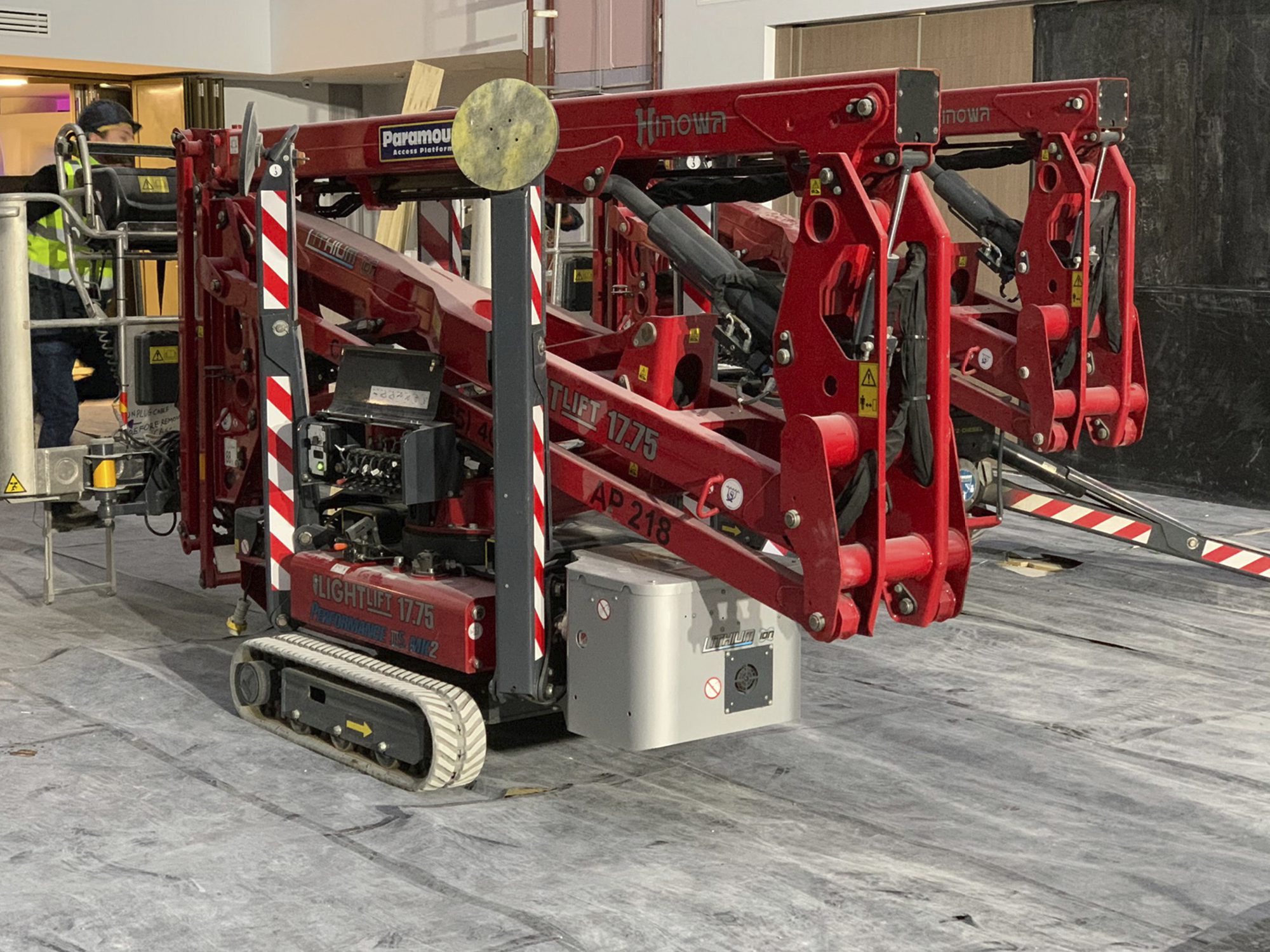
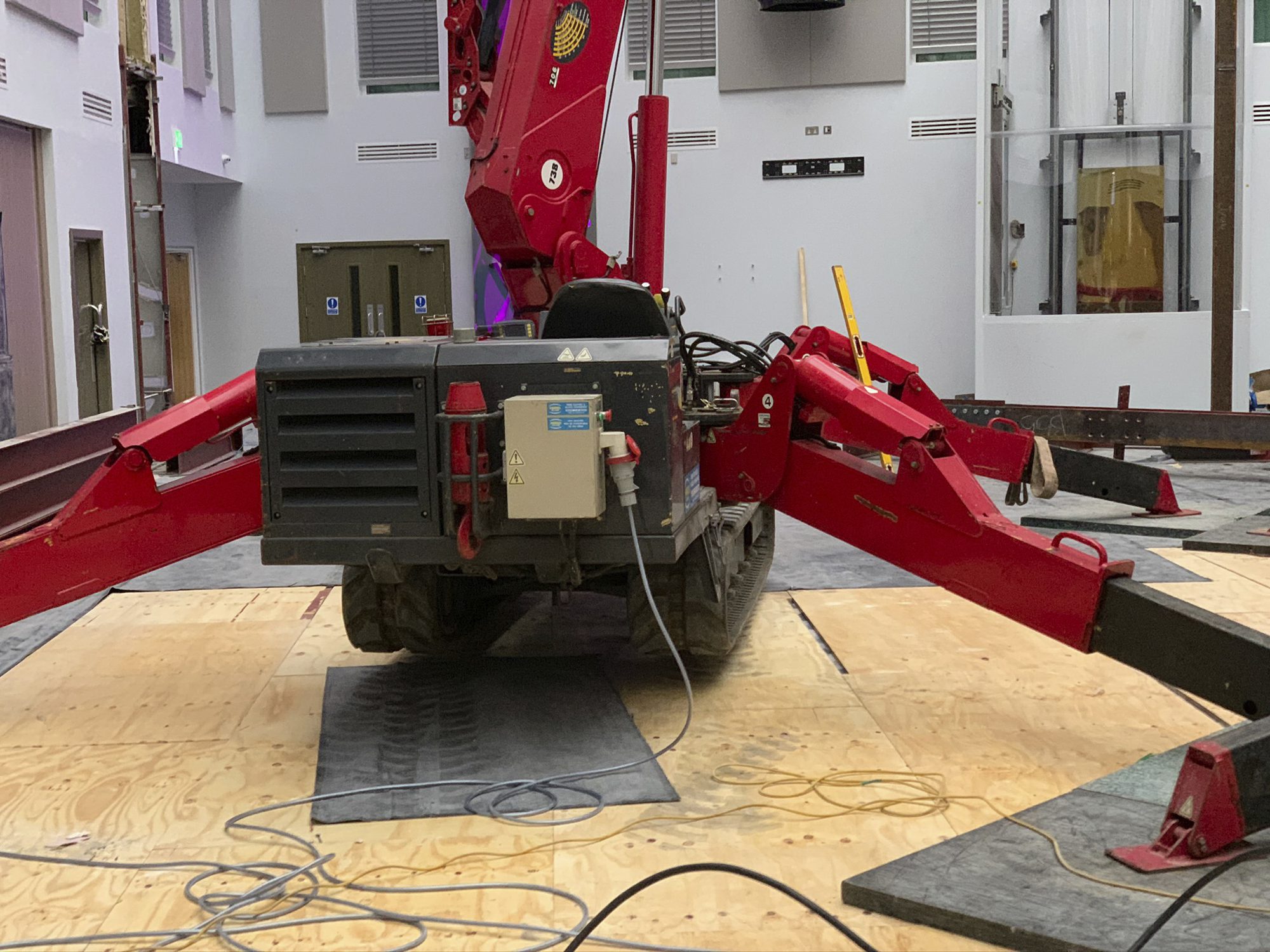
From a construction perspective, the most difficult aspect of the whole proposal was figuring out how to install the immense steelwork of the vierendeel trusses within the existing envelope of the hotel and beneath the existing transparent root over the atria.
The contractor had to decide between introducing a temporary support framework across the whole space to then build the steelwork from, or to pre-fabricate the trusses on ground level and then raise them into position. They also had to acrow prop the whole basement space below due to the weight of the equipment and steelwork.
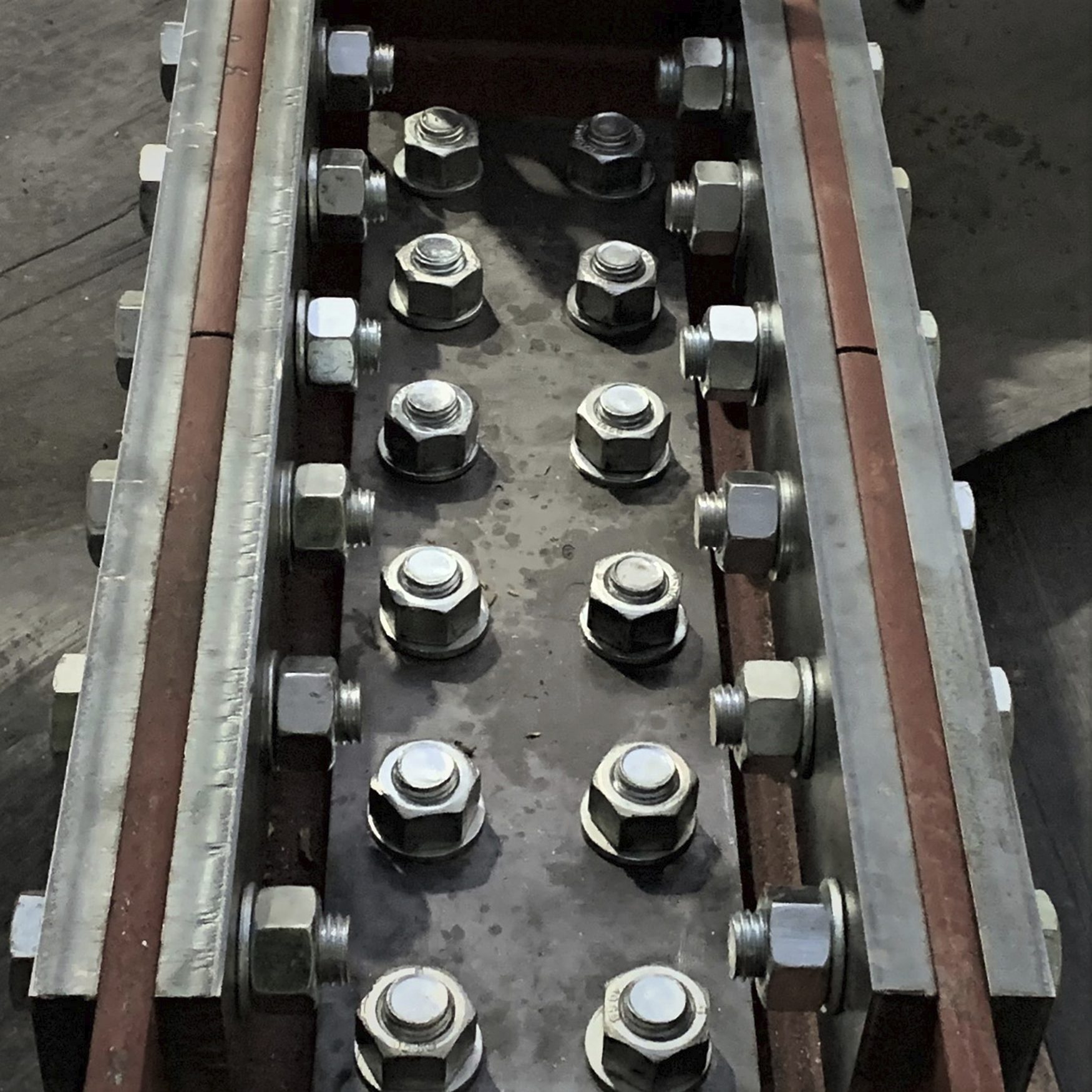
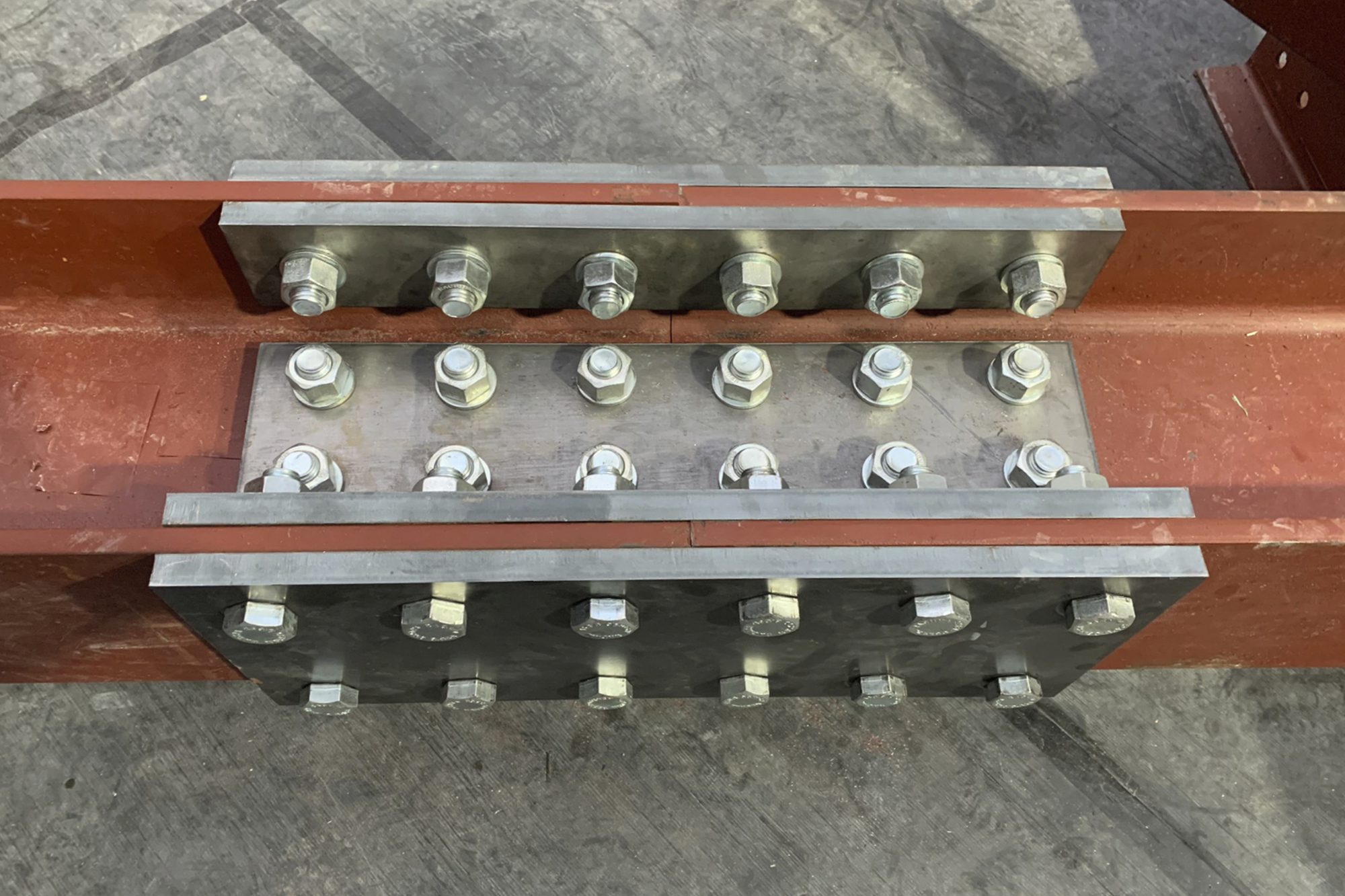
The scale of the connections on the trusses goes some way to show the complexity of the engineering and the way in which all of the components had to be designed such that they could be brought into the building to then be assembled.